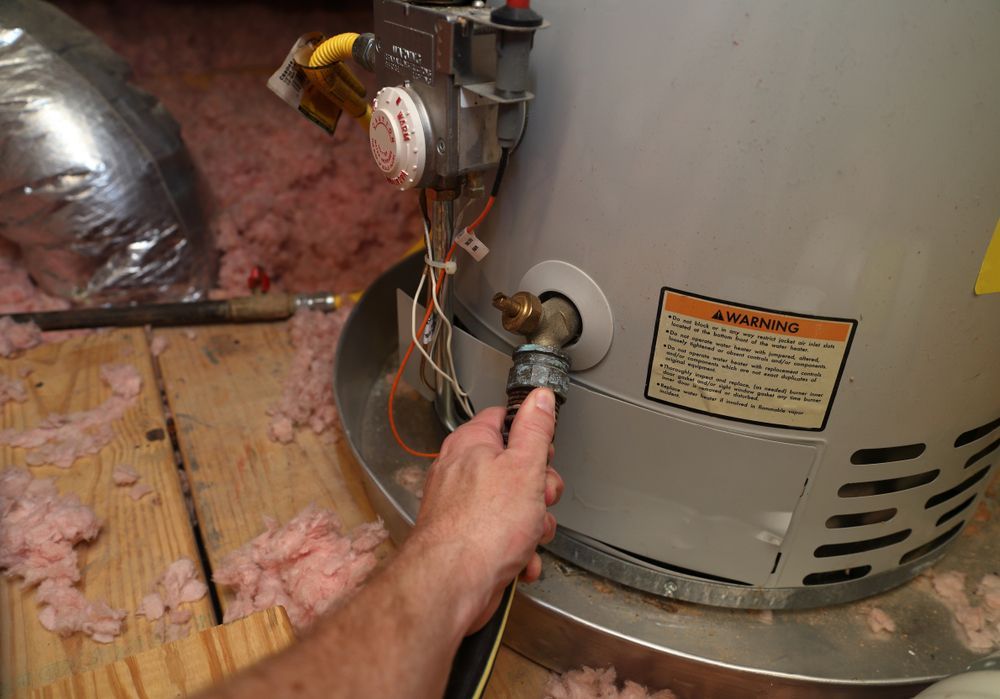
How To Check If Your Hot Water System Needs Repairs Or Replacement
There’s nothing quite like stepping into the shower expecting steady hot water, only to be met with a sudden blast of cold. It’s one of those household frustrations that tends to creep up without warning. Hot water systems often show subtle signs before they fail, but these are easy to overlook until the issue becomes unavoidable.
Understanding what those signs mean, and knowing when a repair will do the job versus when a full replacement makes more sense, can help you avoid unexpected disruptions and unnecessary costs. With the added influence of climate and water quality, some systems may wear down faster than expected, making regular checks even more important. That’s why
plumbing in Darwin is important.
1. Inconsistent Water Temperature
Fluctuating water temperature is often one of the first noticeable issues. You might find the water turning cold midway through a shower or struggling to reach the desired heat at all.
This can point to several underlying concerns:
- A failing thermostat
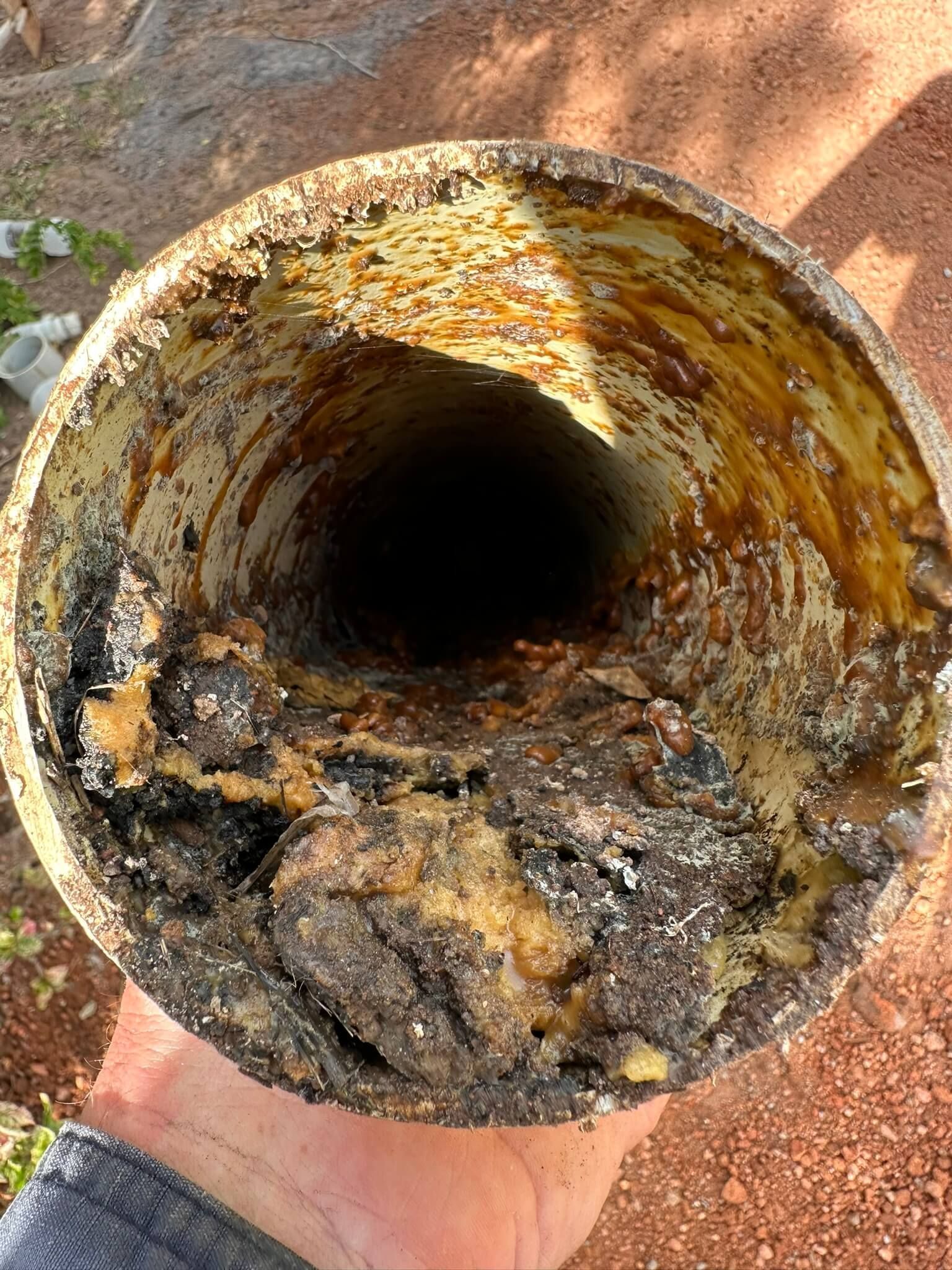
- Sediment build-up affecting heating efficiency
- Worn heating elements or components
While minor temperature issues may be addressed with targeted repairs, repeated inconsistencies can indicate that internal parts are deteriorating. If the problem keeps returning, it may be time to weigh up longer-term options.
2. Reduced Hot Water Supply
Running out of hot water faster than usual can disrupt daily routines, especially in busy households. If your system previously handled demand without issue, a sudden drop in capacity shouldn’t be ignored.
Common causes include:
- Sediment accumulation reducing tank volume
- Heating elements not functioning as intended
- Internal wear affecting performance
A system that can no longer meet household needs may still be repairable, but if demand regularly exceeds supply, a replacement with updated capacity might be more suitable.
3. Unusual Noises From the System
Hot water systems typically operate quietly, so new or louder noises can be a warning sign. Sounds such as popping, rumbling, or banging often relate to internal build-up or stress within the tank.
These noises may be linked to:
- Hardened sediment at the bottom of the tank
- Pressure changes within the system
- Components working harder than intended
While flushing the system may reduce some noise, persistent sounds can indicate deeper issues that may not be resolved through basic servicing alone.
4. Visible Leaks or Moisture
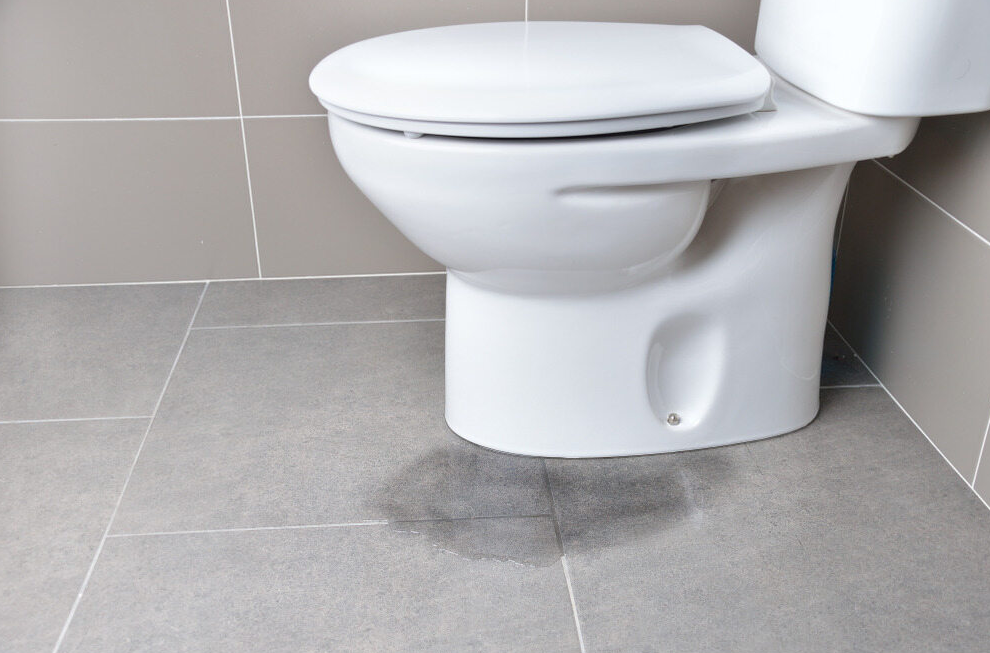
Any sign of water pooling around your hot water system should be taken seriously. Even small leaks can escalate if left unchecked.
Look out for:
- Drips or puddles near the base of the unit
- Damp patches on surrounding surfaces
- Corrosion or rust marks on fittings
Leaks caused by loose connections or valves may be repairable. However, if the tank itself is compromised, replacement is usually the more practical option.
5. Discoloured or Metallic Water
Changes in water quality can sometimes be traced back to the hot water system. If your hot water appears rusty or has a metallic taste, internal corrosion may be occurring.
This can result from:
- Rust forming inside the tank
- Deterioration of protective components, such as anodes
- Build-up affecting water clarity
In these cases, repairs may offer only a temporary solution if the internal lining has been affected. Ongoing discolouration often points towards the need for a new system.
6. Rising Energy Use Without Explanation
An ageing or struggling hot water system may require more energy to deliver the same level of performance. This can lead to noticeable increases in energy usage over time.
Possible contributing factors include:
- Reduced heating efficiency due to sediment build-up
- Components operating under strain
- Outdated system design compared to newer models
If energy use continues to rise without a clear reason, it may be worth considering whether repair costs will outweigh the long-term benefits of upgrading the system.
7. Age of the Hot Water System
Even without obvious faults, the age of your system plays a major role in determining whether repairs are worthwhile. Most hot water systems have a general lifespan, after which performance may decline.
As systems age, you may notice:
- More frequent repairs
- Reduced heating consistency
- Increased wear on internal components
While repairs can extend usability in the short term, older systems may eventually reach a point where replacement becomes the more practical and predictable option.
8. The Impact of Climate & Water Conditions
Environmental factors can have a significant effect on how long a hot water system lasts. In regions with high humidity and mineral-heavy water, systems may experience faster wear.
These conditions can contribute to:
- Accelerated corrosion inside tanks & pipes
- Increased sediment build-up
- Additional strain on heating components
Over time, this can shorten the lifespan of the system and increase the likelihood of faults. Regular inspections become especially important in these environments, as early signs of damage may not always be obvious.
When Repairs Make Sense
In many cases, repairs can restore a system’s function without the need for full replacement. This is often suitable when:
- The issue is isolated to a specific component
- The system is relatively new
- Performance has been stable until recently
Addressing small problems early can help maintain consistent hot water and delay the need for a larger investment.
When Replacement May Be the Better Option
There are situations where replacing the system becomes more cost-effective than continuing with repairs. This may apply when:
- Multiple components are failing at once
- Repair costs begin to add up over time
- The system struggles to meet current household needs
Newer systems may also offer improved performance and updated features, which can make them a practical choice in the long run.
Understanding Your Options for Hot Water Systems
Hot water systems come in a range of types and sizes, each suited to different household requirements. Choosing the right option depends on factors such as usage patterns, available space and energy preferences.
When exploring hot water systems in Darwin, it’s helpful to consider:
- Storage versus continuous flow systems
- Energy sources such as electric, gas or solar
- System size based on household demand
Taking these factors into account can help guide the decision between repairing an existing system or moving towards a replacement.
Get in Touch
If your hot water system has started showing signs of wear or isn’t performing as expected, it may be time to have it assessed. At Wigg Plumbing in Darwin, we understand how local conditions can affect plumbing systems, especially with heat, humidity and mineral-rich water placing extra strain on equipment. Whether you’ve been searching for ‘plumbing near me’ or need guidance on plumbing services, you can reach out to discuss your situation or arrange a booking.