Why Taps In Darwin Homes Corrode Faster Than You Think
Darwin’s climate is hard on plumbing fixtures. Within a year or two, taps look discoloured, handles feel stiff and fittings deteriorate well ahead of expectations. This isn’t a product quality issue — it’s the environment.
Plumbing in Darwin operates under conditions that accelerate corrosion faster than almost anywhere else in the country. If you’ve been searching for plumbing near me after noticing something off with your taps, this guide explains what’s likely going on and what to do about it.
What Makes Darwin’s Climate So Harsh on Taps
Most of Australia experiences either humidity or heat. Darwin delivers both simultaneously, for months at a time. The wet season brings sustained high humidity — regularly above 80 per cent — combined with temperatures that rarely drop below 25 degrees even overnight. That combination creates near-constant condensation on metal surfaces, and moisture sitting on metal is the basic condition that drives oxidation.
Add to that Darwin’s coastal position. Salt particles carried in the air from Darwin Harbour and the Timor Sea settle on exposed surfaces throughout the city and its suburbs. Saltwater is a far more aggressive electrolyte than fresh water, meaning it accelerates the electrochemical reactions that cause corrosion in brass, copper and chrome-plated fittings significantly faster than inland conditions would.
How Water Quality Contributes to the Problem
The water supply itself also plays a role. While Darwin’s water meets Australian Drinking Water Guidelines, it has characteristics that affect plumbing hardware over time.
Water chemistry factors that contribute to tap corrosion in Darwin homes include:
- Slightly acidic pH levels in some supply areas, which promotes leaching of metals from brass components and speeds surface pitting
- Chloramine disinfection used in the supply, which can degrade rubber and plastic O-ring seals faster than standard chlorine treatments in some fixture types
- Mineral content that leaves deposits inside tap bodies and around aerators, creating rough surfaces where corrosion can take hold more easily
Neither factor alone produces the deterioration Darwin homeowners see — but together they compound each other significantly.
Early Signs of Tap Corrosion to Watch For
Corrosion rarely announces itself dramatically. It builds gradually, and most homeowners notice the visual signs before they’re aware of any functional change. Early indicators worth paying attention to include:
- Green or blue-green staining around the tap base or spout — a sign of copper oxidation or verdigris forming on brass components beneath the surface
- White or chalky deposits building up around the aerator or outlet, often mistaken for limescale but sometimes indicating corrosive mineral interaction
- Pitting or roughness on chrome or stainless surfaces that previously felt smooth
- A slight metallic taste or discolouration in the water, particularly first thing in the morning after overnight stagnation in the tap body
- Stiffness in the tap handle that wasn’t previously there, suggesting internal corrosion of the cartridge or valve seat
More than one of these signs appearing together — or any single one progressing quickly — is worth having assessed.
How Corrosion Affects Water Quality
A corroding tap isn’t just an aesthetic problem. As internal surfaces degrade, small amounts of copper and other metals can leach into the water. Concentrations are generally low in newer fixtures, but older taps installed before lead-free brass standards were adopted can contribute measurably to metal content in drinking water.
Running cold taps for a few seconds before drinking or cooking — particularly first thing in the morning — flushes water that has sat in prolonged contact with corroded internal surfaces and replaces it with fresher supply water.
Tap Performance and What Corrosion Does to It
Corrosion inside a tap affects how it functions, not just how it looks. The cartridge — the internal mechanism controlling water flow and temperature — contains ceramic discs and rubber seals that can be damaged by corrosive water or debris from deteriorating surfaces.
The result is a tap that drips, loses pressure or becomes difficult to operate. In Darwin, these functional changes can appear within two to four years in fittings that would last a decade in a less demanding climate.
Which Fixtures Are Most Vulnerable
Not all fittings corrode at the same rate. In Darwin homes, the most vulnerable tend to be:
- Outdoor taps and hose connections — fully exposed to humidity, salt air and UV without any protection from internal environments
- Taps in poorly ventilated bathrooms or laundries where condensation accumulates and doesn’t clear quickly
- Chrome-plated fittings, where any breach in the plating exposes the base metal to direct corrosion
- Older brass tapware installed before lead-free alloy standards, which tends to pit and leach more readily under acidic or aggressive water conditions
- Mixer taps in kitchens, where frequent use, hot water cycling and exposure to cleaning products all contribute to accelerated wear
What Darwin Homeowners Can Do to Slow Corrosion
Corrosion in Darwin can’t be eliminated entirely, but its rate can be managed:
- Rinse external taps and fittings with fresh water periodically, particularly after extended periods of onshore wind, to remove accumulated salt residue
- Keep bathroom and laundry ventilation clear so surfaces dry out rather than staying damp between uses
- Fit a whole-of-house sediment filter if not already present — reducing particulate matter in the supply reduces the abrasive interaction with tap internals
- Replace tap washers and cartridges at the first sign of dripping rather than tolerating the drip, since ongoing water movement through a compromised seal accelerates internal corrosion
When replacing taps, specifying fittings suited to tropical conditions — solid brass bodies and quality ceramic cartridges — is worth the additional upfront cost.
When to Call a Plumber Rather Than Replace a Tap
Some tap deterioration is surface-level and manageable. Others point to a deeper issue a tap replacement won’t fix. Corrosion appearing across multiple taps simultaneously, or persistent water discolouration after running the tap, may indicate a supply pipe issue rather than isolated fitting failure.
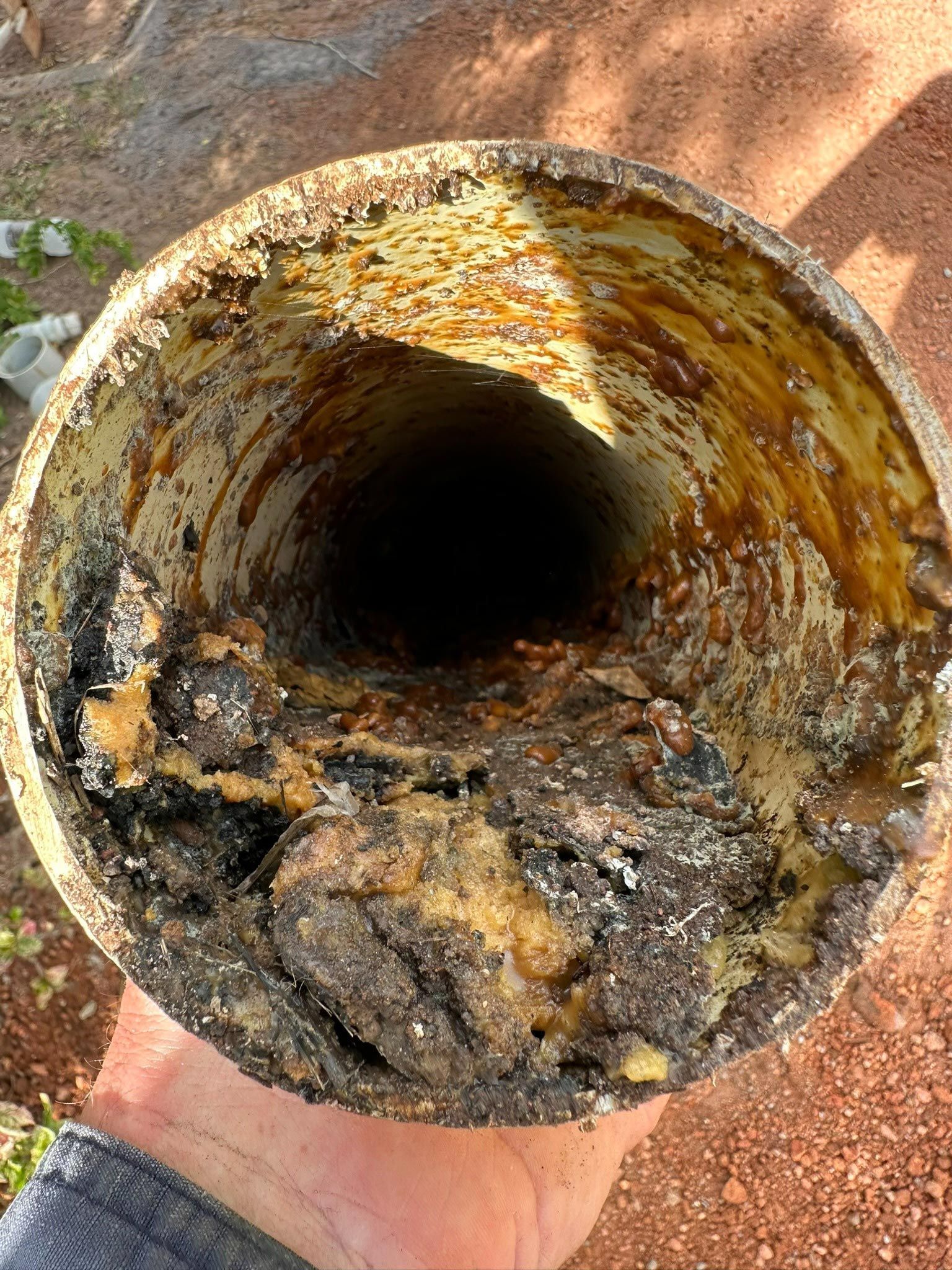
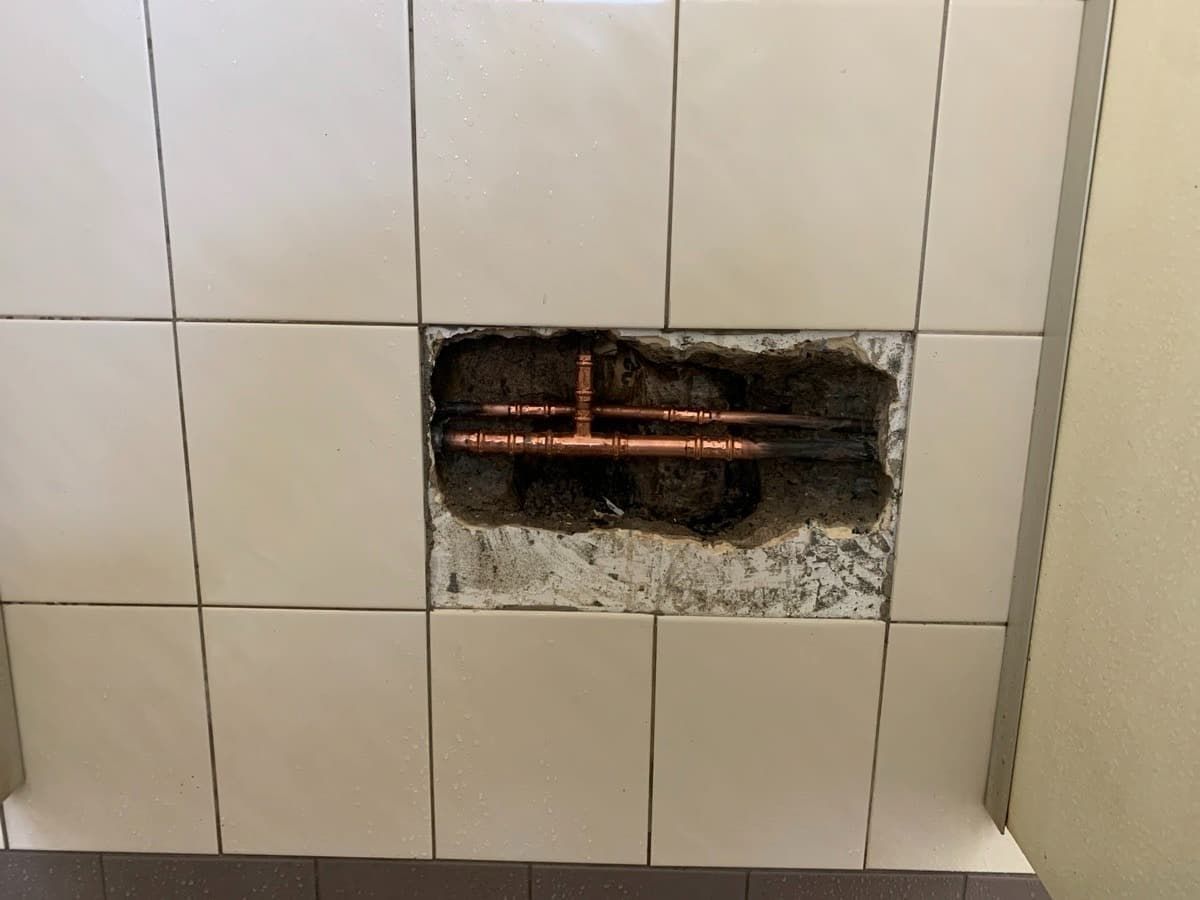
Copper pipes in older Darwin homes can develop pinhole leaks from the same conditions that affect tapware — often not visible until damage has already occurred inside walls or floors. A plumber can assess whether the issue is localised or part of a broader system problem.
Talk to Wigg Plumbing About Your Darwin Home’s Plumbing
Wigg Plumbing provides plumbing services across Darwin for homeowners dealing with corroded taps, failing fixtures and broader pipe and water quality concerns. Whether you’ve noticed early signs of corrosion or you’re managing a fitting that’s already failed, our team understands the specific conditions Darwin homes operate under.
Get in touch to arrange an assessment and get a clear picture of what’s causing the issue and what’s needed to fix it.