How Long Do Hot Water Systems Last?
How long do hot water systems last? Well, most hot water systems last between 8 and 15 years, though the exact figure depends heavily on the type of system, water quality and how well it's been maintained. In Darwin, the tropical climate and hard water common across the Top End can shorten that window considerably if a system isn't serviced regularly. Knowing what to expect from your system's lifespan helps you plan ahead, rather than being caught out by a sudden failure.
How Long Does Each Type of Hot Water System Last?
Lifespan varies significantly by system type, and the differences matter when you're weighing up repair versus replacement.
Electric storage hot water systems typically last 8 to 12 years. The tank itself is the limiting factor – once corrosion sets in around the base or the anode rod stops protecting the tank lining, a leak is usually only a matter of time. Heating elements and thermostats can be replaced individually, but once the tank starts to go, replacement is the only real option.
Gas storage hot water systems generally have a similar lifespan to electric units, often in the 8 to 12 year range, though continuous flow (instantaneous) gas systems can last longer – sometimes 15 to 20 years – because there's no tank to corrode. The trade-off is that continuous flow units rely on more complex internal components, which can be costlier to repair as they age.
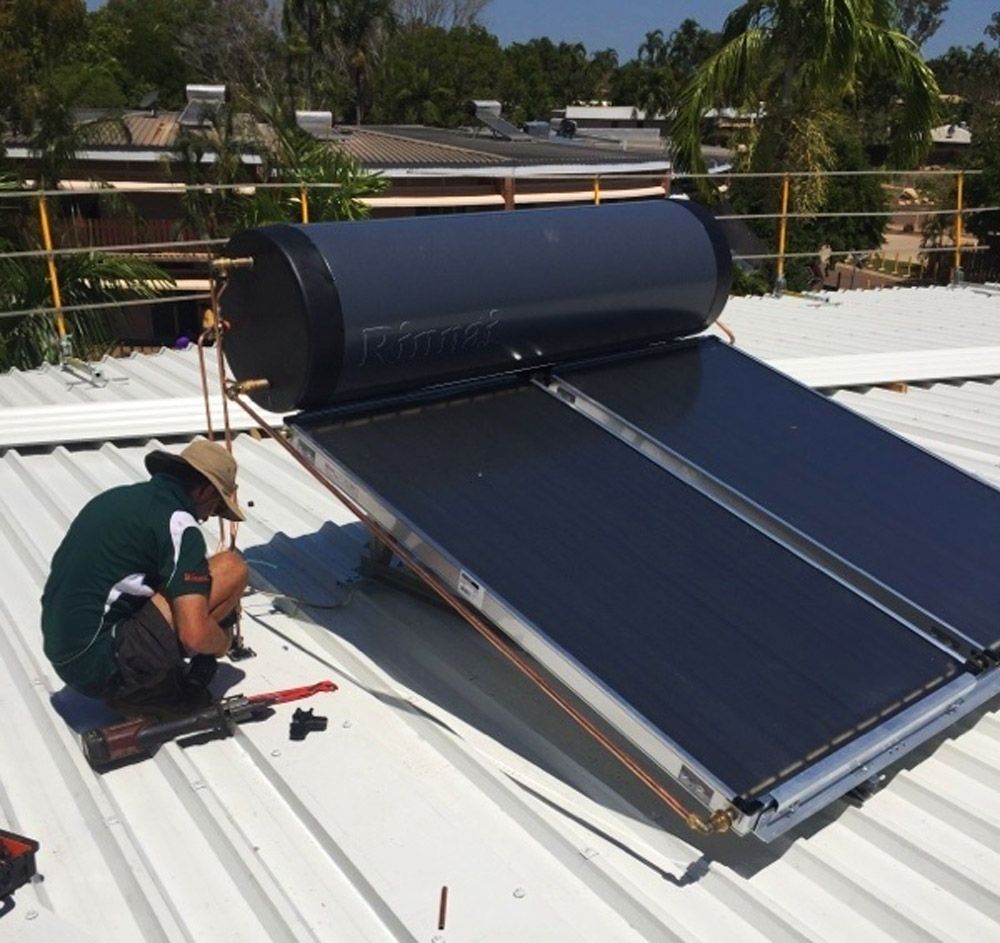
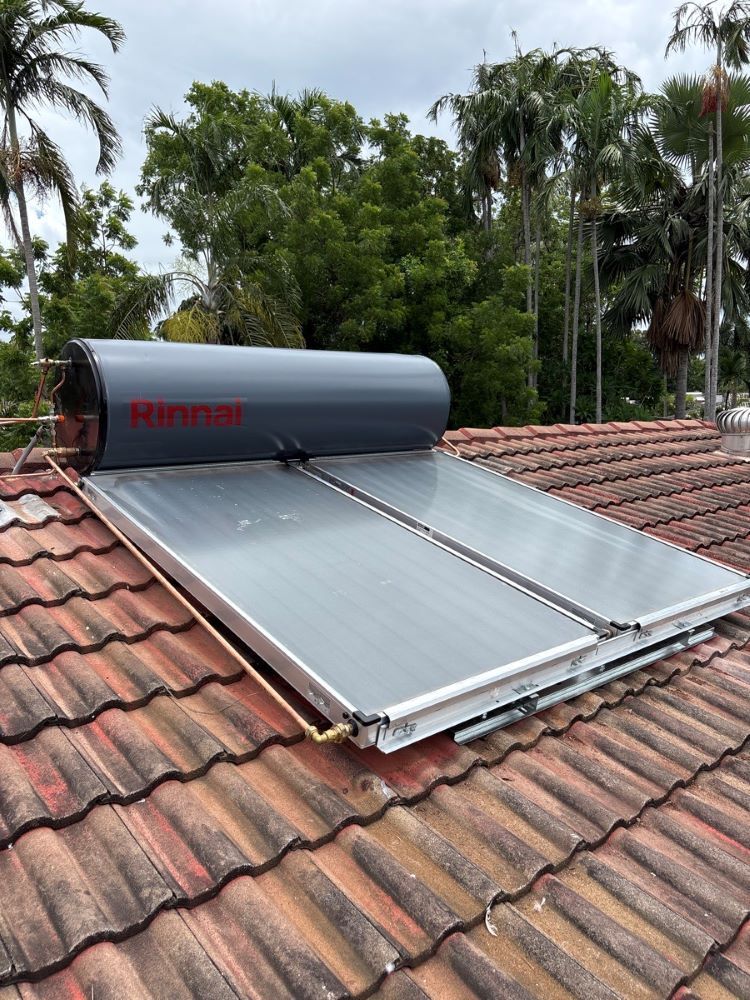
Solar hot water systems tend to have the longest lifespan of the three, often 15 to 20 years for the storage tank and collector panels, largely because well-built solar systems are designed for durability from the outset. That said, the electric or gas booster component fitted to most solar systems has a shorter working life and may need replacing once or twice over the system's overall lifespan.
What Shortens a Hot Water System's Lifespan in Darwin?
Darwin's climate places genuine, measurable stress on hot water systems in ways that cooler, drier regions don't experience.
The Top End's wet-dry seasonal pattern means systems endure sustained high humidity for months at a time, which accelerates external corrosion on tanks, fittings and electrical components. Homes closer to the coast also contend with salt-laden air, which speeds up rust on external tank casings and connection points.
Water hardness is another factor. Harder water accelerates sediment buildup inside storage tanks, which reduces heating efficiency and puts extra strain on elements and thermostats – components that then have to work harder to maintain temperature. Over years, that sediment layer insulates the base of the tank from the heating element, forcing the system to run hotter and longer than it should, which shortens its working life.
Darwin's wet-dry climate places additional stress on systems – a factor worth discussing with a qualified team experienced in plumbing in Darwin.
For homes running solar systems, the Top End's intense UV exposure is generally a benefit for panel performance, but it also means seals, panel glazing, and mounting hardware degrade faster than in milder climates, so these components need closer attention during routine servicing.
What Are the Signs a Hot Water System is Nearing the End of Its Life?
A system rarely fails without warning. The signs tend to build gradually, and recognising them early gives you time to plan a replacement on your own terms rather than dealing with an emergency.
Common indicators include:
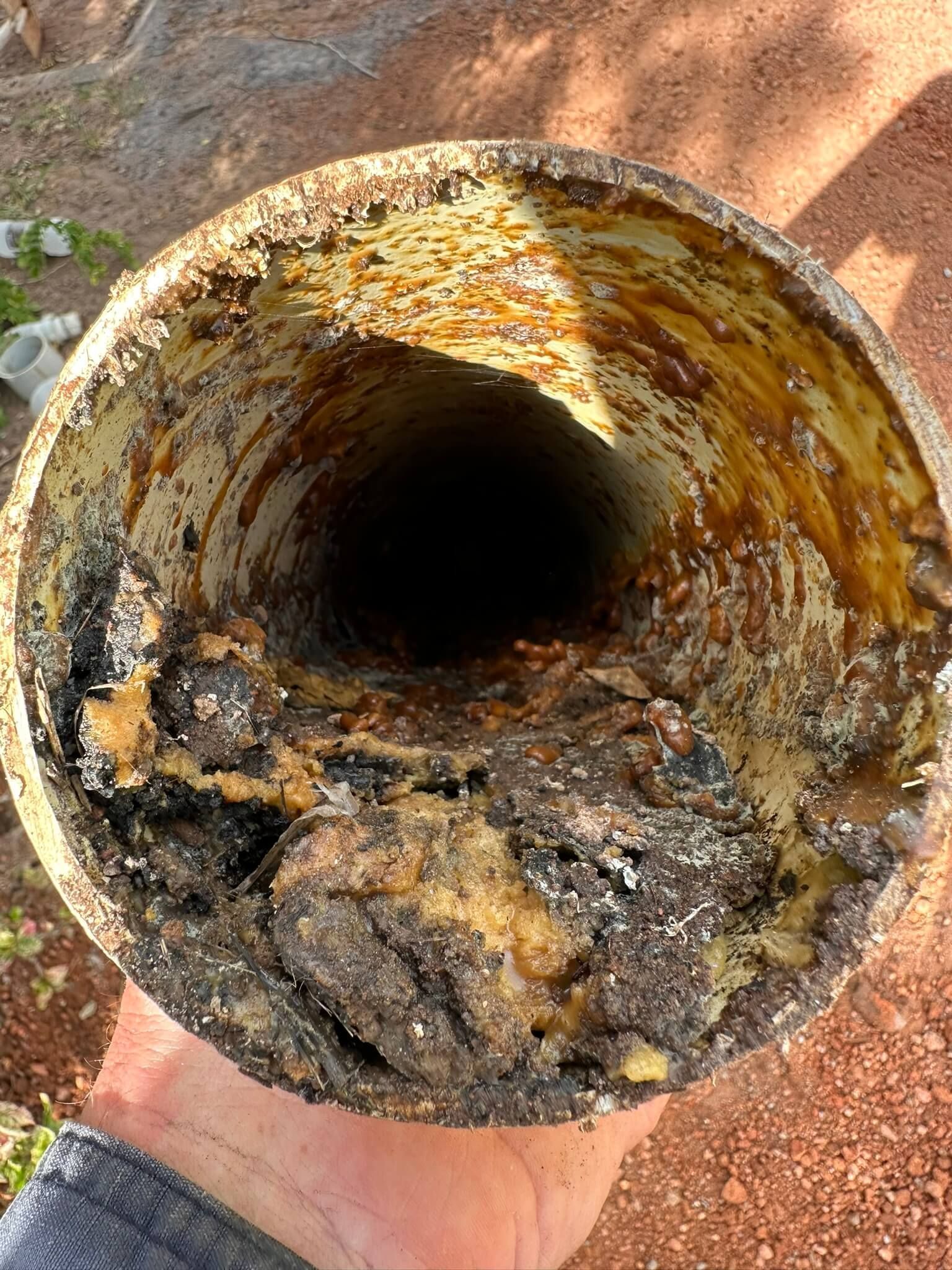
- Discoloured or rusty water, particularly when the hot tap is first turned on, which usually points to internal tank corrosion
- Reduced hot water supply or water that doesn't stay hot as long as it used to, often caused by sediment buildup or a failing element
- Unusual noises from the tank, such as rumbling, popping or banging, typically caused by sediment hardening at the base of the tank
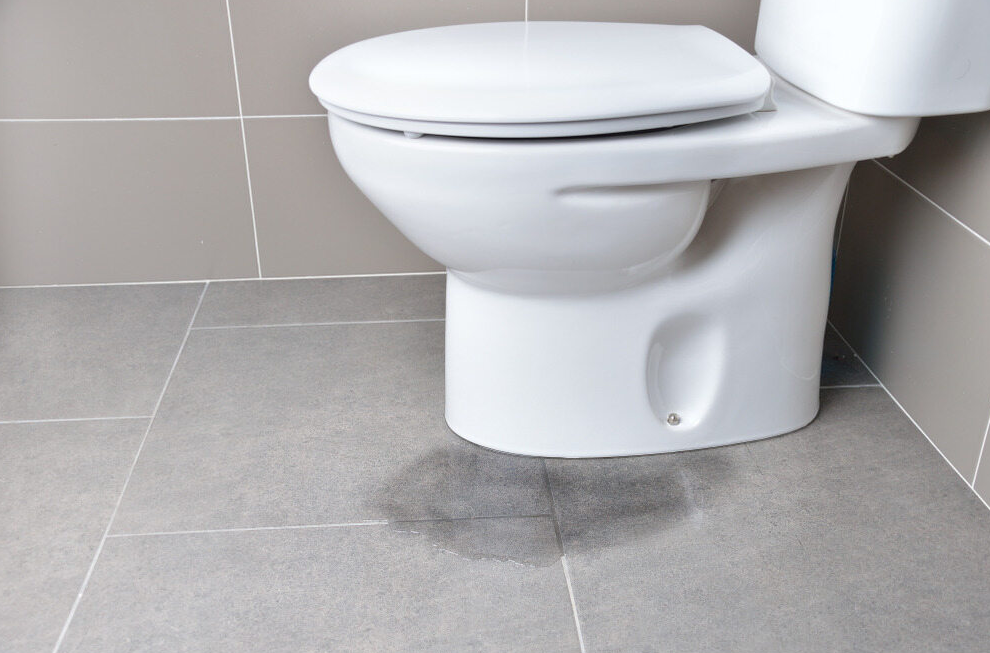
- Visible leaks or pooling water around the base of the unit, which almost always signals the tank itself is compromised
- Inconsistent water temperature, fluctuating between hot and cold during use, which can point to a failing thermostat or heating element
For a closer look at what to watch for as a system ages, see our guide on the common signs your hot water system is about to fail.
If your system is showing more than one of these signs at once, or it's already past the typical lifespan for its type, that's usually the point where repair costs start outweighing the value of keeping the old unit running.
Should You Repair or Replace an Ageing Hot Water System?
As a general guide, if a system is under half its expected lifespan and the fault is isolated – a single failed element, a faulty thermostat – a repair usually makes sense. Once a system is approaching or past its expected lifespan and the tank itself is showing signs of corrosion, replacement is typically the more cost-effective path, since a repaired tank can still fail unexpectedly shortly afterwards.
Example: A Darwin homeowner with an 11-year-old electric storage system notices rust-tinged water and a faint pooling of water at the base of the tank. Individually, either sign might suggest a simple part replacement. Together, on a system already near the end of its expected lifespan, they point to tank corrosion, meaning a full replacement is the more sensible option rather than repairing a tank that's likely to fail again soon.
If your system is approaching the end of its expected lifespan, speaking to a plumber about hot water system replacement in Darwin sooner rather than later can save you from an unexpected cold shower. Not sure whether your system needs a repair or full replacement, or you want to know how long hot water systems last? Get in touch with Wigg Plumbing and we'll help you work it out.
Frequently Asked Questions
How long do hot water systems typically last?
Most hot water systems last 8 to 15 years, depending on the type. Electric and gas storage systems tend to sit at the shorter end of that range, while solar systems and continuous flow gas units can last considerably longer with good maintenance.
How long does a solar hot water system last?
A well-maintained solar hot water system's tank and collector panels can last 15 to 20 years. The electric or gas booster component usually has a shorter lifespan and may need replacing once during that period.
What shortens a hot water system's lifespan in Darwin specifically?
Darwin's high humidity, salt air in coastal areas and harder water all accelerate corrosion and sediment buildup faster than in milder, drier climates, which can bring forward the point at which a system needs replacing.
Is it cheaper to repair or replace an old hot water system?
It depends on the system's age and the fault. Isolated issues on a younger system are usually worth repairing, but once a system is near or past its expected lifespan and the tank shows signs of corrosion, replacement is generally the more cost-effective option long term.
Can a hot water system fail without any warning signs?
It's uncommon. Most systems show gradual signs – reduced hot water, discoloured water, unusual noises or minor leaks – well before a complete failure, which is why regular inspection matters as a system ages.
How do I know if my hot water system needs replacing?
If your system is approaching or past its typical lifespan and showing signs like rusty water, leaks or inconsistent temperature, it's worth getting a professional assessment before it fails completely.