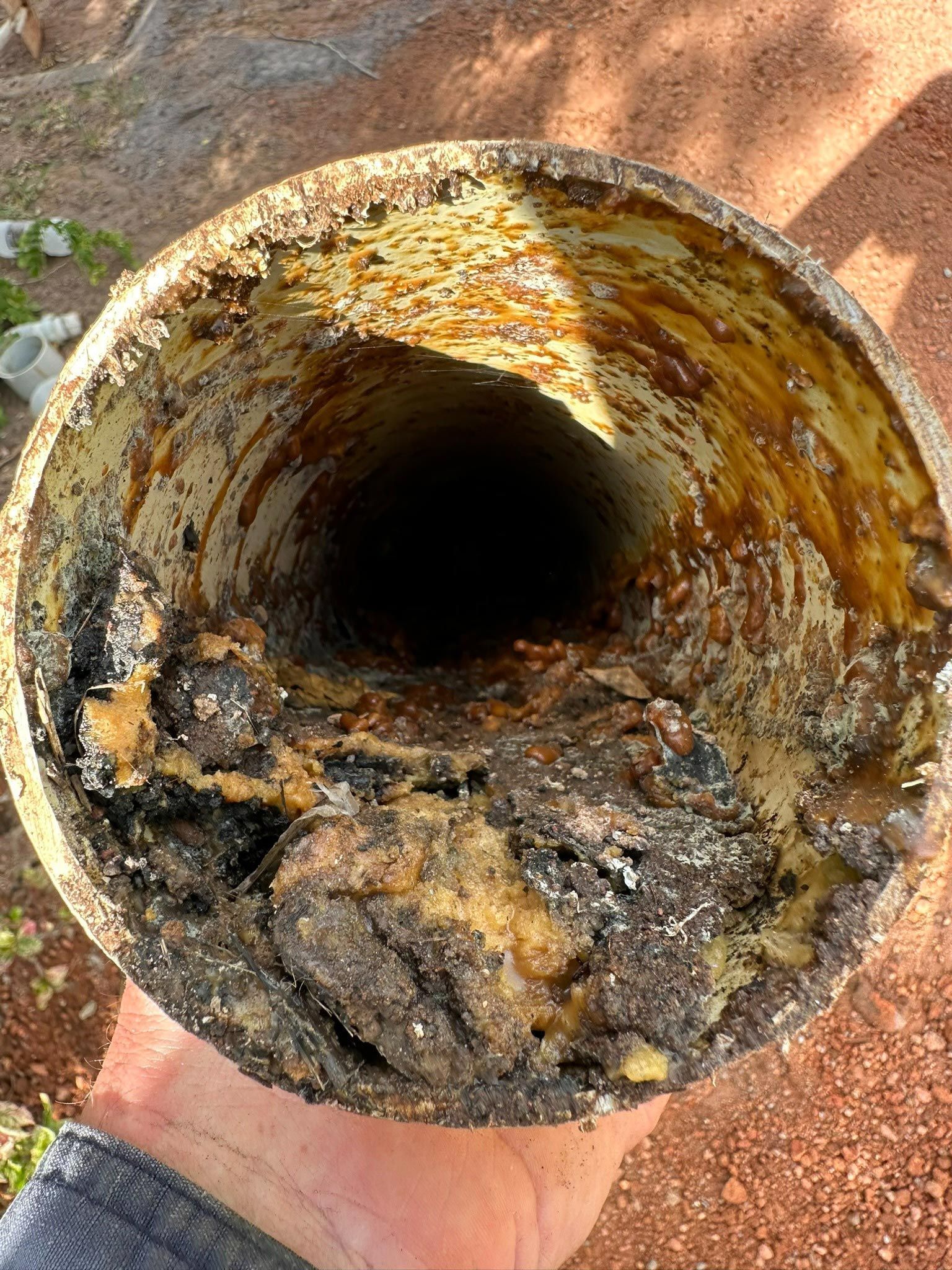
What Causes Blocked Drains? Common Culprits In Darwin Homes
A blocked drain can start with slow-draining water, unpleasant smells or strange gurgling before turning into a much bigger plumbing problem. Understanding what causes
blocked drains in Darwin homes can help you work out why it happened and reduce the chance of it happening again. From grease and hair to tree roots and wet season debris, there are plenty of possible causes. If the problem keeps coming back, a
plumber in Darwin can take a closer look and find out what is going on.
Why Blocked Drains Keep Happening in Darwin Homes
Clearing a blockage may get the water flowing again, but it does not always fix the reason it happened in the first place. Recurring blockages can be caused by ongoing build-up, pipe damage or another problem further down the line.
Common blocked drain causes include:
- Grease, fats and food scraps building up in kitchen pipes
- Hair and soap residue collecting in bathroom drains
- Tree roots entering damaged or vulnerable underground pipes
- Leaves, soil and debris getting into stormwater systems
- Foreign objects being flushed down toilets
- Deposits gradually narrowing pipes
Where the blockage happens can provide a few useful clues. One slow sink may point to a local blockage, while several slow-draining fixtures could mean the problem is further along the drainage system.
Grease and Food Waste Build-Up in Kitchen Drains
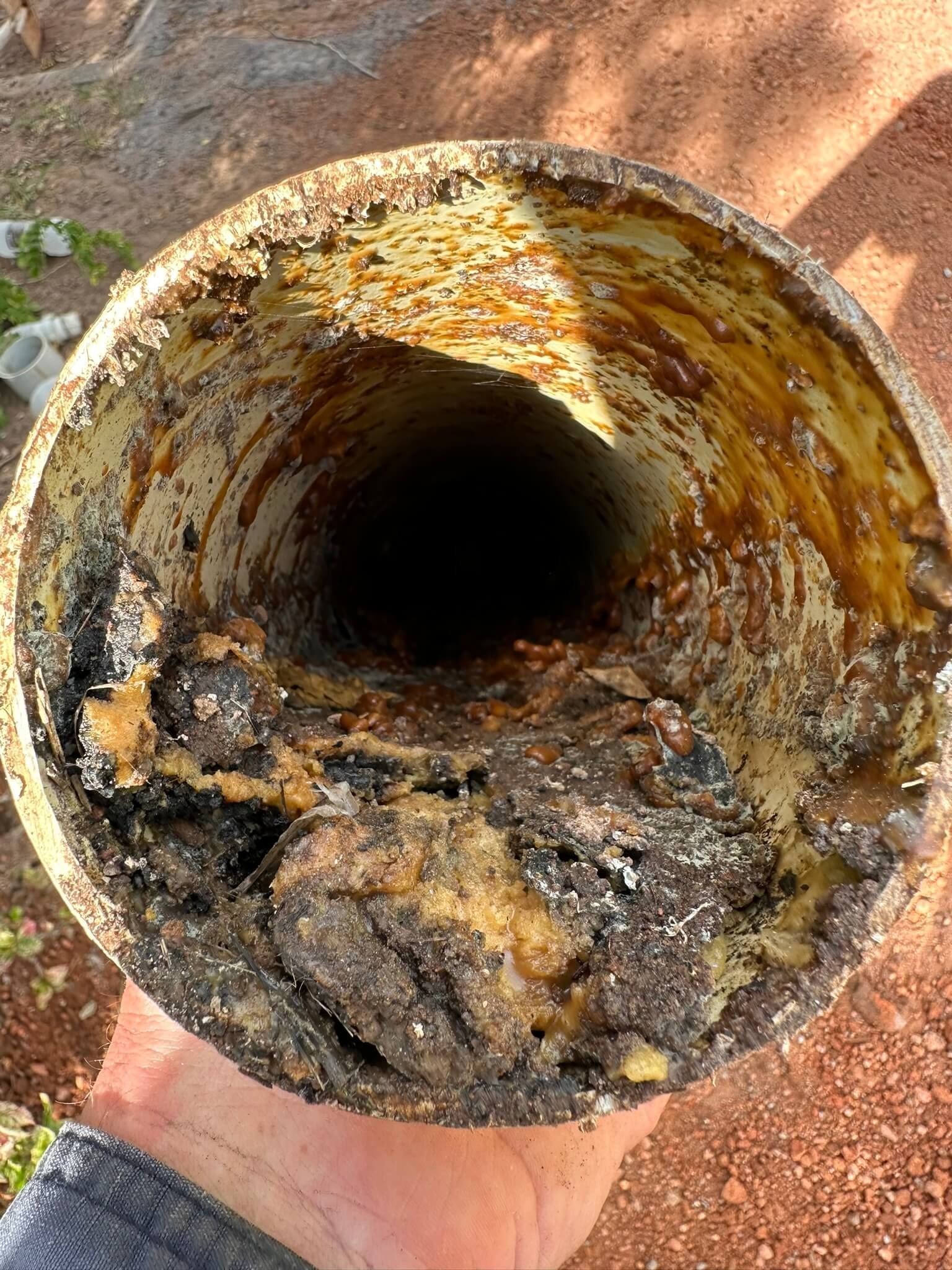
Kitchen sinks regularly deal with food residue, cooking oils and fats. When grease goes down the drain, it can cool and stick to the inside of the pipe. Food scraps and other material can then get caught in the build-up, leaving less room for water to flow.
Common contributors to a grease blocked drain include:
- Pouring cooking oils or fats down the sink
- Washing greasy pans without removing excess residue
- Letting food scraps enter the drain
- Rinsing oily leftovers directly into the sink
Scraping plates and cookware before washing them and keeping fats, oils and grease out of the sink can reduce the amount of material building up in kitchen pipes.
Hair and Soap Scum in Bathroom Drains
Hair can collect inside shower, bath and basin drains, where it mixes with soap residue and other material. These blockages often build gradually, so you may notice a few warning signs before the drain stops flowing properly.
Keep an eye out for:
- Water pooling in the shower
- A basin taking longer to empty
- Gurgling sounds from the drain
- Unpleasant smells around waste outlets
Removing visible hair and using suitable drain strainers can help keep this build-up under control. If several bathroom fixtures start draining slowly at once, there could be a blockage further down the line.
Tree Root Intrusion in Older Darwin Suburbs
Tree roots naturally grow towards moisture and can find their way into underground drains through cracks, damaged joints or other openings. Once inside, the roots can keep growing and catch waste as it passes through the pipe.
Possible signs of tree roots in drains around Darwin include:
- Blockages that keep coming back
- Slow drainage across several fixtures
- Gurgling or unusual drain noises
- Ongoing problems with underground drainage lines
Clearing waste caught around the roots may get things moving again, but it may not stop the roots from causing another blockage. A drain camera can help locate the affected area and show what is happening inside the pipe.
Wet Season Debris and Blocked Stormwater Drains
Darwin's wet season can put extra pressure on stormwater drainage. Leaves, twigs, dirt and other outdoor debris can gather around gutters, grates and drainage points, then get washed into the system when the rain arrives.
Before heavier rain sets in, it is worth:
- Clearing leaves and debris from accessible gutters
- Removing material from around stormwater grates
- Checking that visible drainage points are clear
- Looking out for areas where water drains slowly
A blocked stormwater drain in Darwin can stop rainwater from draining away as it should, so spotting a problem early can help you deal with it before the next downpour. Knowing how to prevent blocked drains during Darwin's wet season can also help reduce the amount of debris entering your stormwater system.
Foreign Objects Flushed Down Toilets
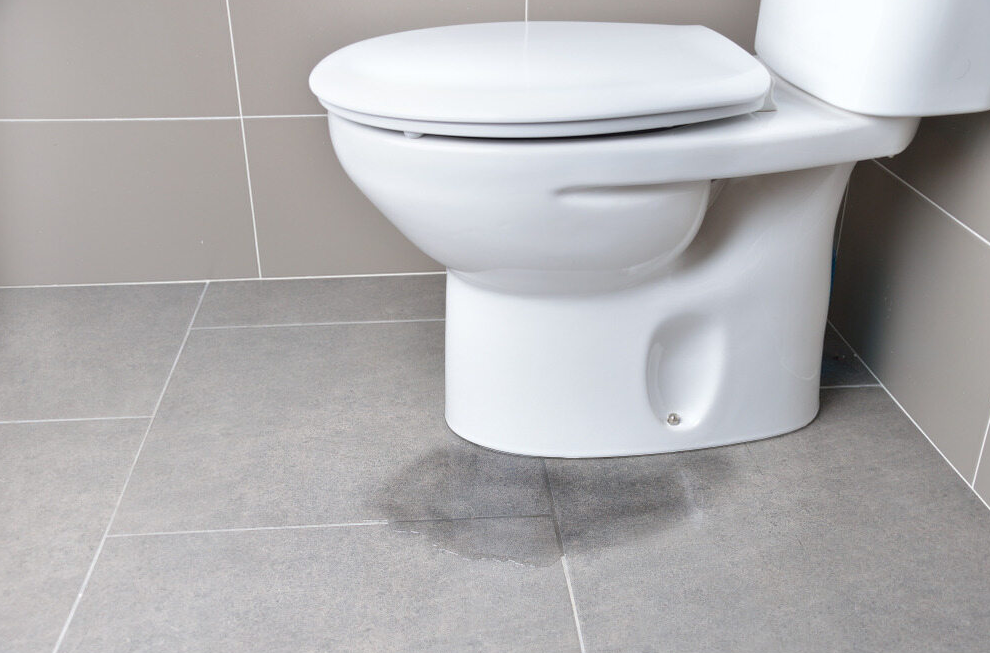
Toilets are designed to handle human waste and toilet paper. Other products may not break down or travel through the pipes as easily, which can increase the chance of a blockage.
Items that can cause trouble include:
- Wipes
- Paper towel and tissues
- Sanitary products
- Cotton buds
- Nappies
- Other household objects
Keeping these items out of the toilet is a simple way to reduce preventable blockages. If your toilet keeps blocking even when you are careful about what gets flushed, it could be a sign there is another problem further along the drain.
Mineral Deposits and Other Less Obvious Causes
Not every blockage is caused by something obvious going down the drain. Some problems develop inside the pipework over time and gradually leave less room for water and waste to pass through.
Less obvious causes can include:
- Deposits building up inside pipes
- Cracked or damaged pipework
- Misaligned sections of pipe
- Deterioration of older drainage lines
- Changes inside pipes that catch waste
This is one reason recurring blockages are worth looking into. If the pipe itself is contributing to the problem, repeatedly clearing the blockage may only provide a temporary fix without dealing with the cause.
Finding the Real Cause: Drain Cameras, Jetting and When to Call a Plumber
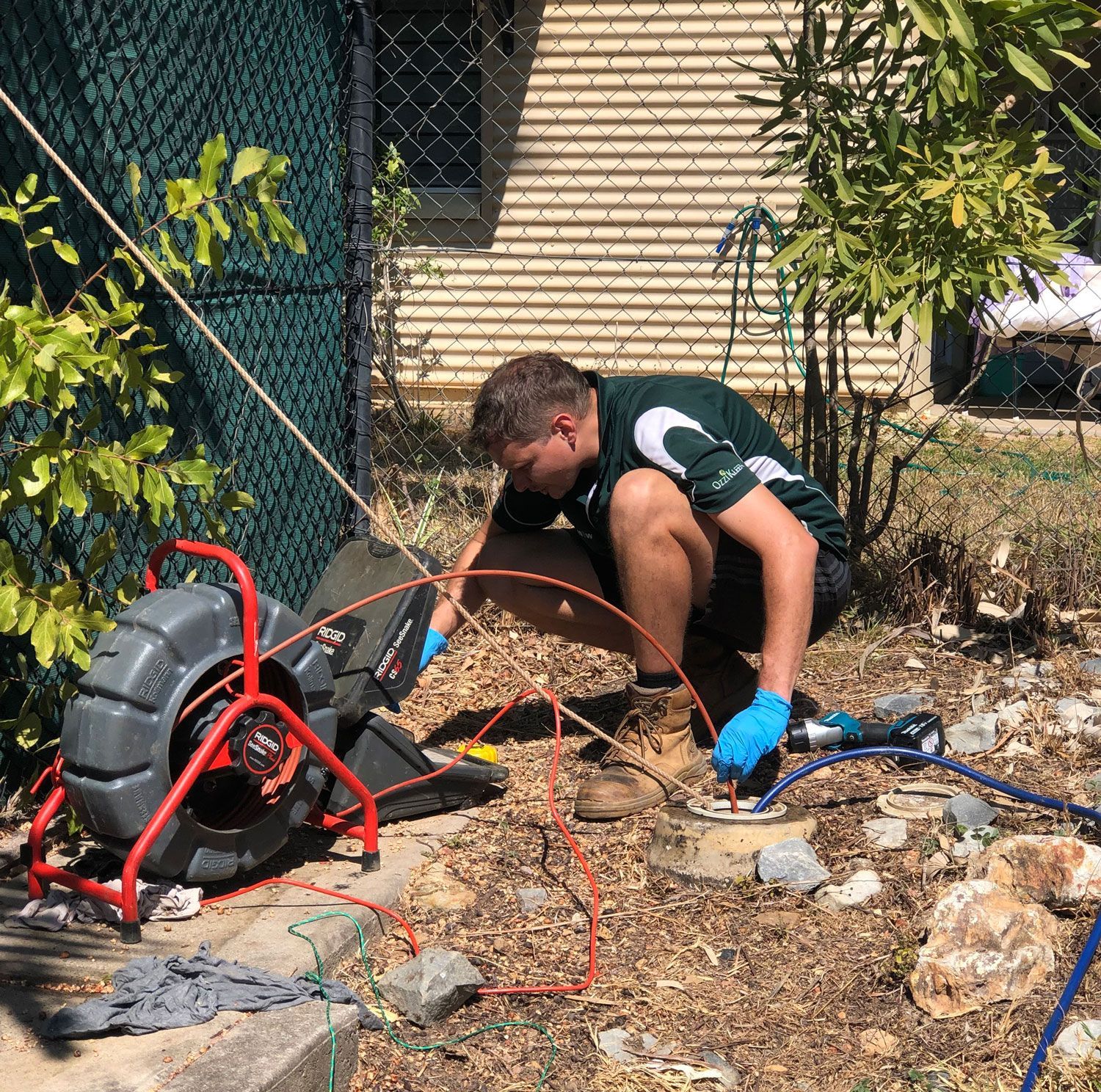
If a blockage keeps returning or you cannot tell where it is coming from, professional equipment can help get a clearer picture. A drain camera can look inside the pipe to locate an obstruction and check for problems such as pipe damage or tree root intrusion.
High-pressure water jetting can also be used to clear suitable blockages by sending water through the drain to remove built-up material.
It may be time to call a plumber in Darwin if you notice:
- Several fixtures draining slowly
- A blockage that keeps coming back
- Gurgling sounds or ongoing drain odours
- Water backing up through another fixture
- A toilet that frequently blocks
- An outdoor drain that will not clear properly
Finding out what is causing the blockage means you can deal with the actual problem rather than repeatedly clearing the same symptoms.
Get to the Bottom of a Blocked Drain
When drainage problems keep coming back, finding out what is happening below the surface can help you work out the next step. At Wigg Plumbing, we’ve serviced Darwin and surrounding areas for more than 30 years, helping homes and businesses with a wide range of plumbing problems.
For blocked drains in Darwin, we use drain cameras and high-pressure water jetting to find the source of the problem and clear suitable obstructions. If you need a plumber in Darwin, get in touch with our team to arrange an inspection and get things flowing again.
Frequently Asked Questions
Why does my drain keep blocking after it has been cleared?
A drain that keeps blocking may have an ongoing build-up or another problem that was not fixed when the blockage was first cleared. Tree roots, damaged pipes and material collecting inside the drain can all cause problems to return. A drain camera can help find out what is happening.
Can tree roots really get inside drainpipes?
Yes. Tree roots can find their way into underground pipes through cracks, damaged joints and other openings. Once they get inside, the roots can continue growing and catch waste moving through the pipe, which may lead to recurring blockages.
How can I reduce the risk of a blocked kitchen drain?
Keep cooking oils, fats, grease and food scraps out of the sink wherever possible. Scrape plates and cookware before washing them and consider using a sink strainer to catch larger food particles before they enter the drain.
When should a blocked drain be professionally inspected?
If a blockage keeps coming back, affects several fixtures or may be somewhere in the underground pipework, it is worth having it checked. A drain camera can help locate the problem and show what is causing it before deciding how to clear or repair the drain.