How Much Does Pipe Relining Cost in Darwin?
If you have been dealing with recurring blocked drains, slow-clearing pipes or water pooling in the yard after heavy rain, there is a reasonable chance the problem is not on the surface. Damaged, cracked or root-affected pipes are a common culprit — and once a camera inspection confirms it, the next question is almost always about cost. Pipe relining has become an increasingly popular repair method because it addresses the damage from the inside without requiring excavation, but the cost varies depending on several factors that are worth understanding before you pick up the phone. This guide explains what pipe relining involves, how does pipe relining work in practice, what drives the cost and why Darwin's conditions make it a particularly relevant option for homeowners dealing with pipe damage.
What Is Pipe Relining and How Does It Work?
Pipe relining is a repair method that restores a damaged pipe from the inside rather than replacing it entirely. Instead of digging up the pipe and laying a new one, a technician inserts a flexible liner coated with resin into the existing pipe. The liner is positioned over the damaged section, inflated to press against the pipe wall, and then cured — either with UV light, steam or ambient temperature depending on the system used. Once set, the resin hardens into a smooth, jointless tube that effectively becomes a new pipe within the old one. The result is a pipe that is structurally sound, resistant to root intrusion and has a smoother internal surface than most original pipes — which actually improves flow over time rather than simply restoring it.
The process typically involves:
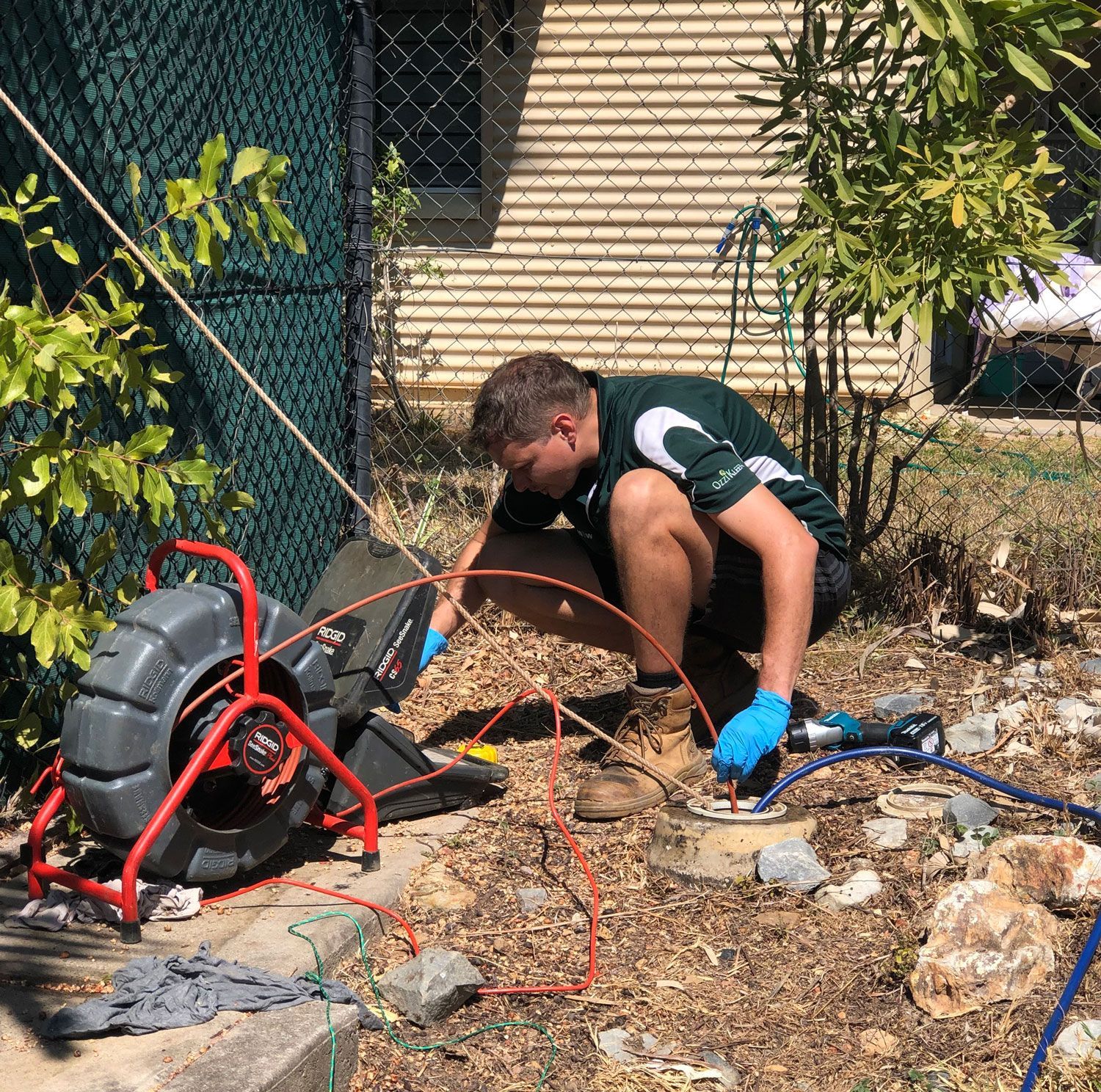
- A CCTV drain camera inspection to locate and assess the damage
- Clearing any blockages or root intrusion before the liner is installed
- Measuring the pipe diameter and length to prepare the correct liner size
- Inserting and positioning the liner, then curing it in place
- A post-installation camera check to confirm the repair is complete
The entire process can often be completed in a single visit for straightforward sections, with no excavation required unless access conditions demand it.
How Does Pipe Relining Compare to Full Pipe Replacement?
Understanding the difference between relining and replacement helps put the cost conversation in context. Both achieve the same end goal — a functional pipe — but they get there in very different ways and at very different price points. Full pipe replacement involves excavating the ground above the damaged section, removing the old pipe, laying a new one and reinstating the surface above it. In a residential setting, this can mean digging up gardens, driveways, concrete paths or even areas beneath structures. The reinstatement costs — restoring whatever was removed to access the pipe — often add significantly to the total bill and can include landscaping, concreting or path repairs on top of the plumbing work itself. Pipe relining avoids most of this. Because the work is done internally, there is no need to break up surfaces or disturb surrounding structures. Labour costs are typically lower, the job is completed faster and there is far less disruption to the property.
Key differences worth considering:
- Relining generally costs less when excavation and reinstatement are factored in
- Replacement may be necessary where pipes have fully collapsed or are severely misaligned
- Relining can be done in sections, meaning only the damaged area is addressed rather than the full pipe run
- Relined pipes carry manufacturer warranties, often between 25 and 50 years depending on the system used
- Replacement provides a brand-new pipe but starts a new depreciation clock in the same ground conditions
For most residential pipe damage — cracks, root intrusion, corrosion or joint failure — relining is the more practical and cost-effective path when considering pipe relining vs pipe replacement. Pipe relining Darwin homeowners are increasingly choosing it as the recommended solution after a camera inspection confirms the source of blocked drains in Darwin homes.
What Factors Affect the Cost of Pipe Relining in Darwin?
Pipe relining is not a fixed-price service because no two jobs are the same. The cost depends on a combination of factors that affect how much material is needed, how complex the installation is and how accessible the pipe is in the first place.
Pipe diameter
Larger diameter pipes require more resin and larger liner materials, which increases the material cost. Stormwater and sewer pipes are typically wider than standard drainage pipes, and relining them accordingly costs more per metre.
Length of the damaged section
Cost is generally calculated per metre of liner installed. A short section with localised damage will cost considerably less than relining an extended run. In some cases, relining the full length of a pipe run is more practical than addressing individual sections if the pipe shows widespread deterioration.
Access to the pipe
Standard access through an existing cleanout or inspection point keeps costs lower. Where access is limited — beneath a slab, under a driveway or deep in the ground — additional work may be required to create a suitable entry point, which adds to the overall cost.
Severity and type of damage
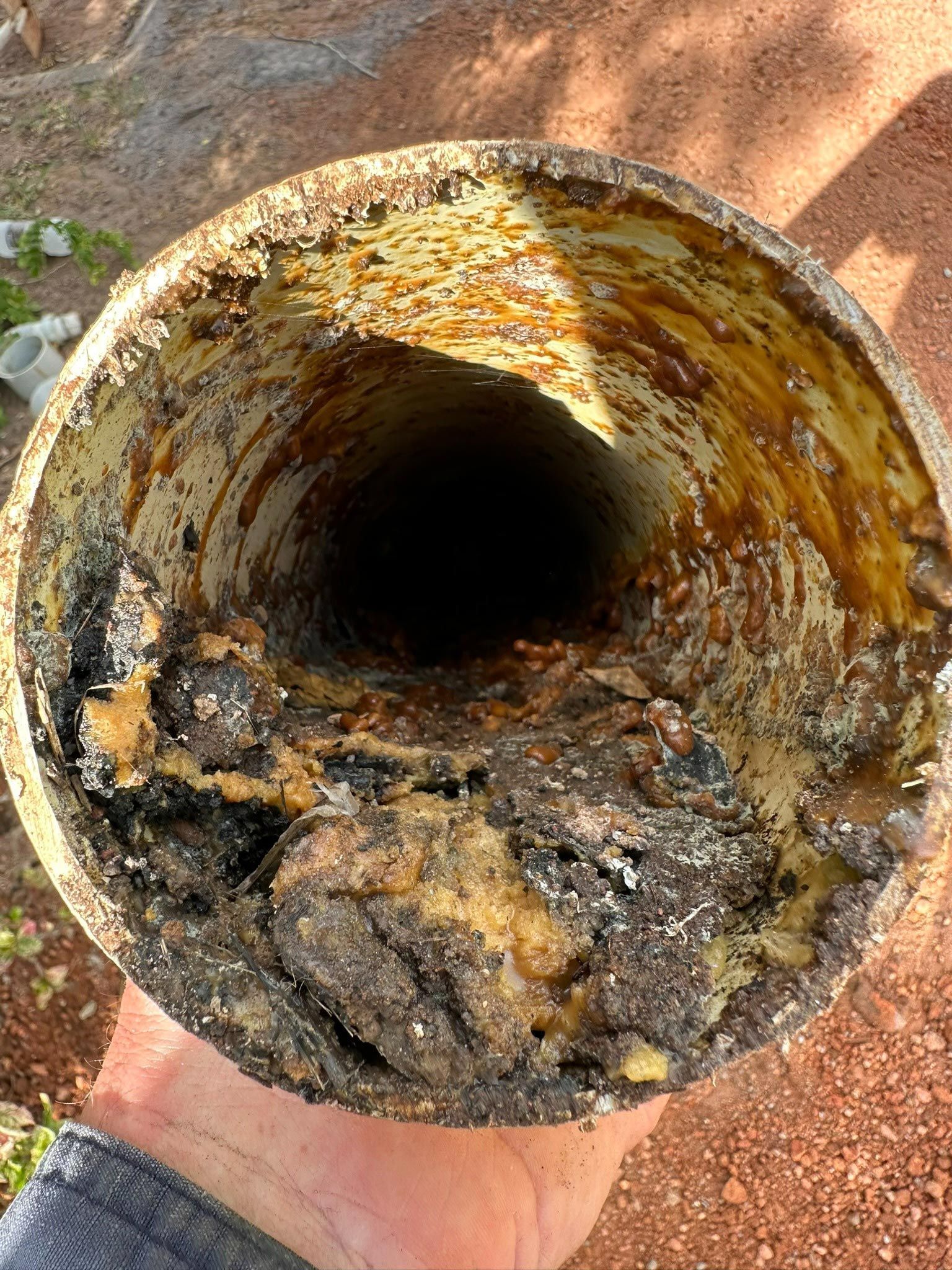
Cracks and joint failures are generally straightforward to address. Significant root intrusion requires thorough clearing before relining can proceed, and heavily collapsed sections may require partial excavation before the liner can be inserted and positioned correctly.
Number of junctions and bends
Pipe junctions and tight bends add complexity to the relining process. Junction reinstatement — reopening branch connections after the liner is cured — requires additional equipment and labour.
Preparatory work required
If the pipe has significant root matter, scale buildup or debris, hydro-jetting or mechanical clearing will be needed before the liner goes in. This preparation work is often quoted separately.
What Does Pipe Relining Typically Cost?
As a general guide, pipe relining in Australia typically ranges from around $500 to $800 per metre for standard residential drainage pipes, with total job costs depending on the length of the damaged section and the complexity of the work involved. Larger diameter pipes and more complex access conditions sit toward the higher end of that range.
For a typical residential job addressing a single damaged section of drain, total costs commonly fall somewhere between $1,500 and $5,000 depending on the factors above. More extensive relining across multiple sections or larger diameter pipes will sit higher.
These figures are indicative rather than definitive. A CCTV camera inspection is the only reliable way to get an accurate assessment and quote for your specific situation. The inspection identifies exactly where the damage is, how extensive it is and what preparation work is needed — all of which determines the final cost.
It is also worth factoring in what you are not paying for compared to replacement: no excavation, no surface reinstatement, no landscaping repairs and no extended disruption to your property.
Why Darwin's Conditions Make Pipe Relining Particularly Relevant
Pipe damage in Darwin does not happen the same way it does in a temperate city. The Top End's wet-dry cycle creates specific conditions that accelerate the kind of pipe deterioration that pipe relining is designed to address. During the wet season, the ground absorbs enormous volumes of water in a short period. This rapid saturation causes soil movement — swelling, shifting and in some cases undermining — that places stress on buried pipes. Joints crack, pipes move out of alignment and fractures allow groundwater and root matter to enter. Understanding what puts pressure on your pipes during the wet season is a useful first step — read our guide on how to prevent blocked drains during Darwin's wet season for practical advice on protecting your drainage system.
During the dry season, the ground contracts as moisture leaves the soil. This contraction can have the opposite effect — pulling pipes slightly out of position or widening existing cracks. Over multiple wet-dry cycles, cumulative stress can cause significant structural deterioration in pipes that might have handled moderate conditions elsewhere without issue.
Tree root intrusion is also an accelerated problem in Darwin. Fast-growing tropical vegetation is particularly effective at finding and exploiting any fracture or joint gap in a pipe, often establishing root systems that cause recurring blockages well before the structural damage becomes obvious.
Darwin-specific conditions that contribute to pipe damage include:
- Ground movement from wet season saturation and dry season contraction
- Accelerated root intrusion from fast-growing tropical and ornamental trees
- Older pipe materials in established suburbs that were not designed for the volume of seasonal ground movement
- UV and heat degradation of exposed pipe sections, particularly in older properties
For homeowners researching blocked drain pipe repair Darwin wide, pipe relining is worth understanding as an alternative to full replacement before committing to any course of action.
How to Know If Your Pipes Might Need Relining
Not every blocked drain points to a structural problem — sometimes it is simply a matter of what has gone down the pipe. But certain patterns suggest the issue goes deeper than a straightforward blockage.
Signs that a pipe inspection is worth organising:
- Recurring blockages in the same location even after professional clearing
- Slow drainage across multiple fixtures simultaneously, suggesting a blockage or restriction in the main line
- Gurgling sounds from drains when water is used elsewhere in the house
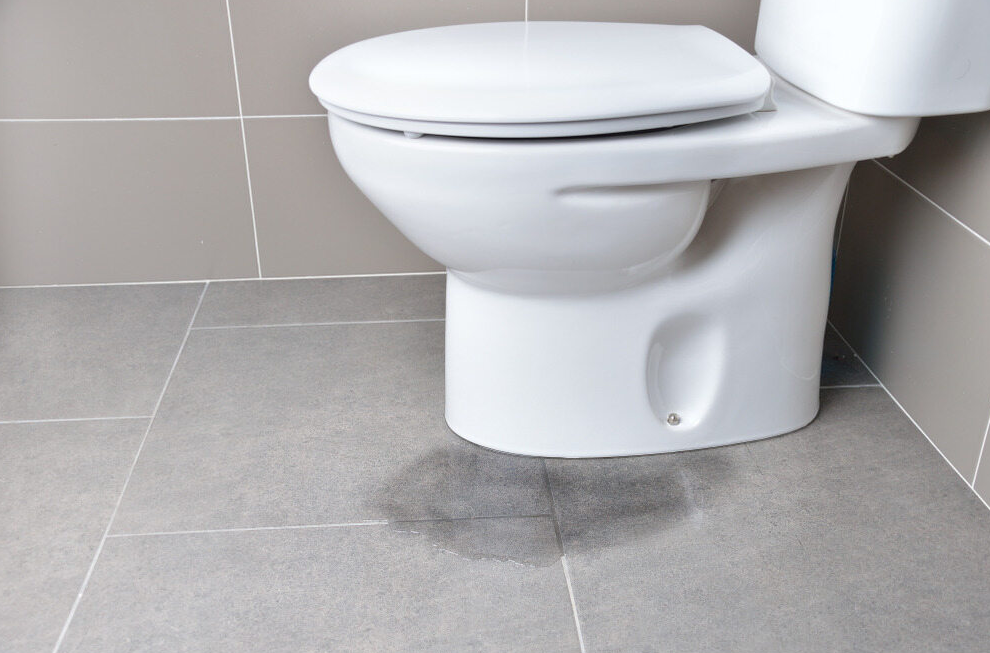
- Unexplained wet patches in the yard, particularly during dry conditions
- A noticeable increase in water bills without a change in usage
- Roots appearing in your toilet or drain, which signals root intrusion into the pipe itself
If any of these sound familiar, a CCTV drain camera inspection is the logical next step. It takes the guesswork out of the diagnosis and gives you a clear picture of what is happening inside the pipe before committing to any repair option. If you suspect damaged pipes, get in touch and we can organise a camera inspection to assess whether relining is the right option.
Getting an Accurate Quote for Pipe Relining in Darwin
The most important step before committing to any pipe repair is getting a proper diagnosis. A quote based on a phone description of symptoms is rarely as accurate as one based on an actual camera inspection — and in some cases, what looks like a relining job turns out to be something simpler, or vice versa.
At Wigg Plumbing, we provide residential plumbing Darwin homeowners can rely on, including pipe inspections and relining assessments across the Darwin region. With over 30 years of experience working in the Top End, our team understands how Darwin's wet-dry cycle affects underground plumbing and what repair options are best suited to local conditions. For Darwin homeowners researching pipe relining cost, the first step is always a proper diagnosis rather than a ballpark figure over the phone. Visit https://www.wiggplumbing.com.au/ or call us on (08) 8947 0321 to arrange a camera inspection and get a clear, accurate quote for your specific situation.