Septic System Maintenance: A Guide for Darwin Homeowners
Septic system maintenance involves regular inspections, periodic pump-outs and careful wastewater management. Conventional septic tanks generally need pumping every three to seven years, although the frequency depends on household size, tank capacity and usage. Proper care helps prevent blockages, sewage backups and expensive repairs.
If you own a property with a septic tank in Darwin, understanding its maintenance requirements is essential. At Wigg Plumbing, we help homeowners across Darwin, Humpty Doo, Berry Springs and surrounding rural areas manage their septic and wastewater treatment systems.
Darwin's tropical climate also presents unique challenges. Heavy wet season rainfall and saturated ground can affect wastewater disposal, making preventative maintenance particularly important.
Why Is Septic System Maintenance Important?
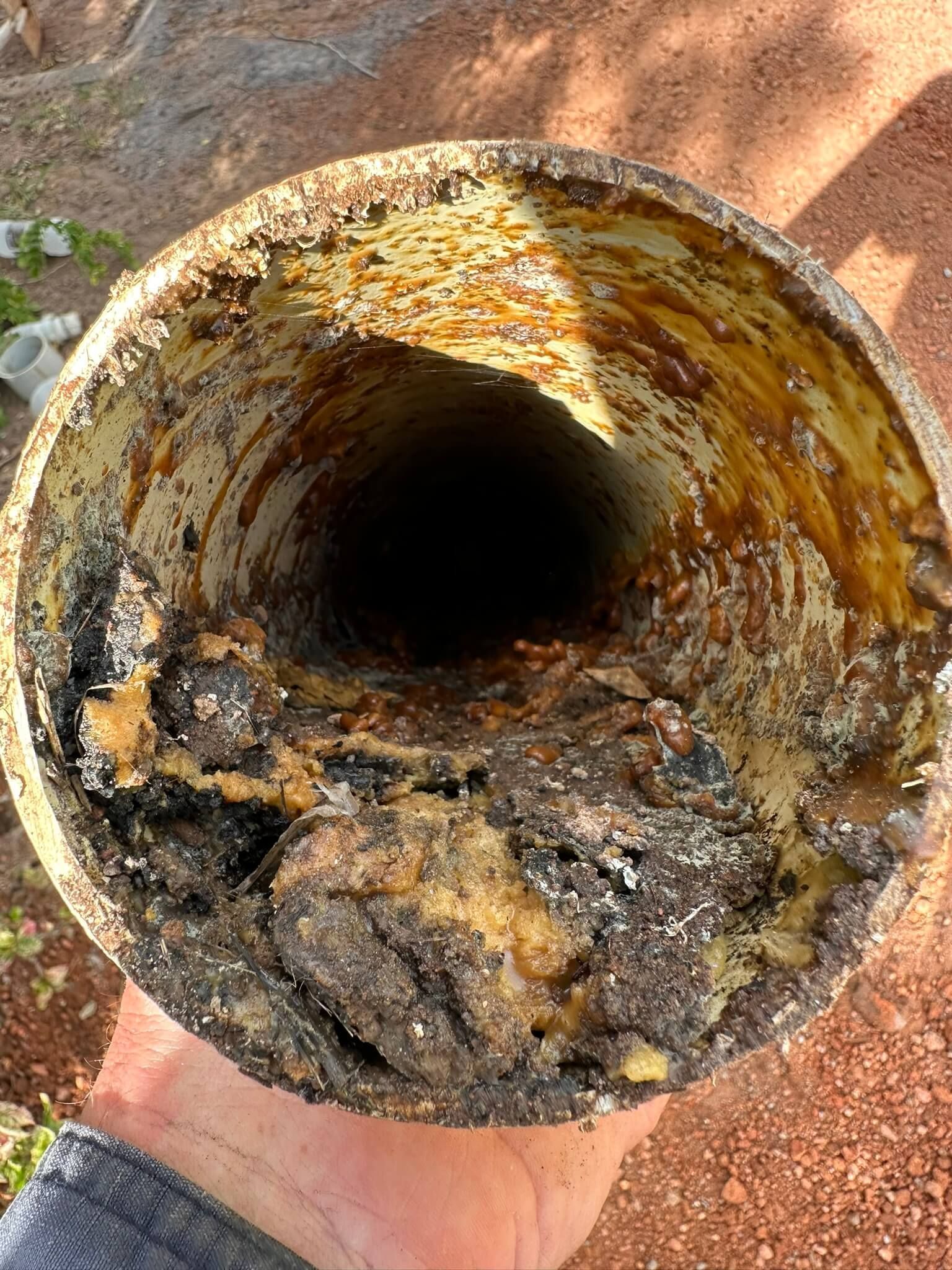
Regular maintenance keeps your septic system operating effectively while reducing the risk of wastewater problems. Without proper care, accumulated sludge can obstruct pipes, overload drainage areas and eventually cause sewage to back up into your home.
Conventional septic tanks separate wastewater into three layers. Heavy solids settle at the bottom, oils and grease float to the surface, and partially treated liquid flows into a designated disposal area. Naturally occurring bacteria break down some organic waste, but solids still accumulate over time.
For rural homeowners relying entirely on onsite wastewater treatment, a system failure can disrupt everyday activities. Routine inspections help identify developing issues before they become more serious.
How Often Should You Pump Your Septic Tank?
Conventional septic tanks in the Northern Territory generally require desludging every three to seven years, although some systems need more frequent attention. The appropriate schedule depends on your tank's capacity, condition and daily wastewater volume.
Several factors influence pumping frequency:
- Household size: More occupants generally produce greater wastewater volumes.
- Tank capacity: Smaller tanks may require more frequent servicing.
- Water usage: Excessive water consumption can place additional pressure on the system.
- Waste disposal habits: Grease, wipes and unsuitable materials can contribute to blockages.
- System condition: Damaged components may require attention before the next scheduled pump-out.
For example, a household with six occupants may need more frequent servicing than a similar property occupied by two people. Rather than relying solely on a fixed schedule, arrange professional inspections to determine when desludging is necessary. Keep records of completed maintenance and ensure pump-outs are performed by appropriately licensed waste handlers.
What Should You Avoid Putting Down Your Drains?
Protecting your septic system starts with understanding what shouldn't enter it. Certain household products can interfere with bacterial treatment, increase sludge accumulation or cause blockages.
Cooking Oils and Grease
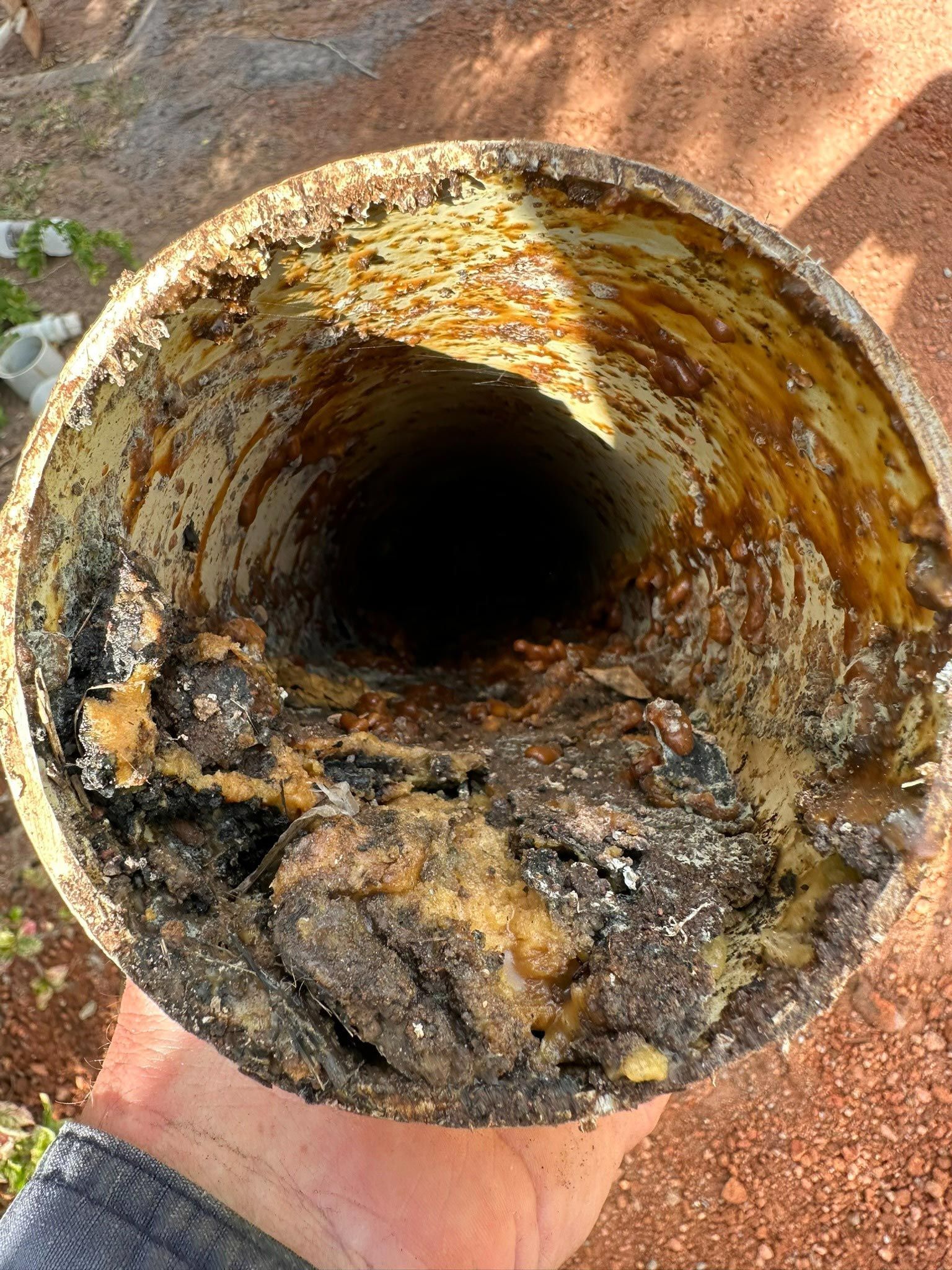
Never pour cooking oil, fat or grease down kitchen drains. These substances can accumulate inside pipes and contribute to blockages. Allow grease to cool before collecting it for appropriate disposal.
Wet Wipes and Hygiene Products
Wet wipes, sanitary products, nappies and cotton buds belong in household rubbish. Even products marketed as flushable may not break down adequately inside septic systems.
Harsh Cleaning Chemicals
Excessive bleach, disinfectants and concentrated chemicals can disrupt the bacteria responsible for breaking down organic waste. Use cleaning products according to their instructions and follow your system manufacturer's recommendations.
Food Scraps and Coffee Grounds
Food waste increases the amount of solids entering your tank. Scrape plates into the bin before washing dishes and avoid disposing of coffee grounds through kitchen sinks.
How Darwin's Wet Season Affects Septic Systems
Darwin's wet season can significantly affect septic system performance. Heavy rainfall saturates surrounding soil, reducing its capacity to absorb treated wastewater from underground disposal areas.
When the ground becomes waterlogged, wastewater may drain more slowly or accumulate around the system. Floodwater entering damaged or poorly sealed components can create additional problems. Preparing before heavy rainfall is particularly important for properties around Humpty Doo, Berry Springs and other rural areas.
Practical precautions include:
- Checking inspection covers for visible damage.
- Directing stormwater away from septic infrastructure.
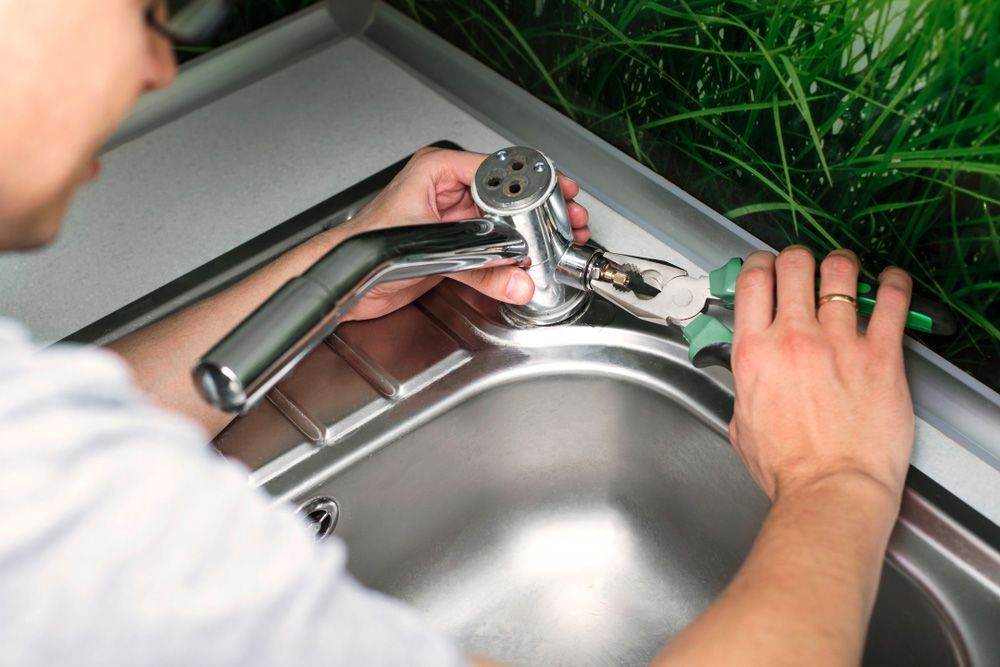
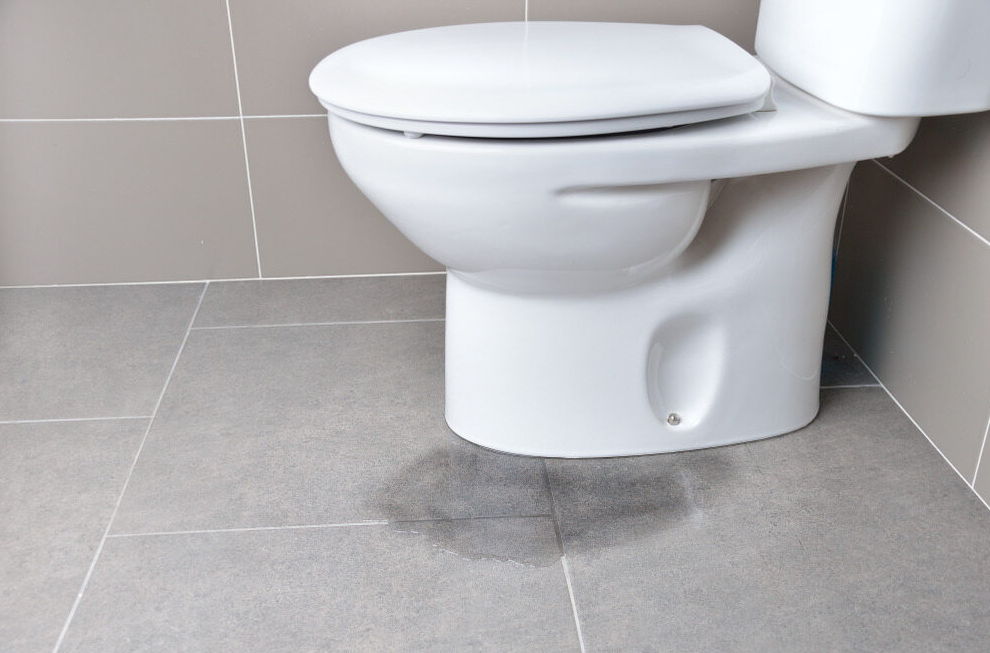
- Repairing leaking taps and toilets.
- Keeping disposal areas clear of heavy vehicles.
- Arranging inspections when drainage problems develop.
If flooding affects your system, reduce wastewater use where practical and seek professional advice. Avoid opening or pumping an affected tank without an appropriate assessment, particularly while surrounding ground remains saturated.
Warning Signs Your Septic System Needs Attention
Septic problems often develop gradually. Recognising unusual changes around your home can help you arrange repairs before wastewater starts backing up.
Slow Drains and Toilets
Multiple slow-draining fixtures may indicate a problem beyond an individual blocked pipe. Accumulated sludge, obstructed outlets or drainage field issues could be responsible.
Unpleasant Sewage Odours
Persistent sewage smells around your tank, drains or disposal area can indicate blockages, ventilation problems or damaged components. If you're experiencing unusual odours, read our guide on
what to do when you smell sewage in your Darwin home before investigating further.
Wet Patches Around Your Yard
Unexpectedly damp ground or unusually green grass near your disposal area may indicate wastewater accumulating beneath the surface. Persistent wet patches deserve attention, particularly during dry weather.
Wastewater Backing Up
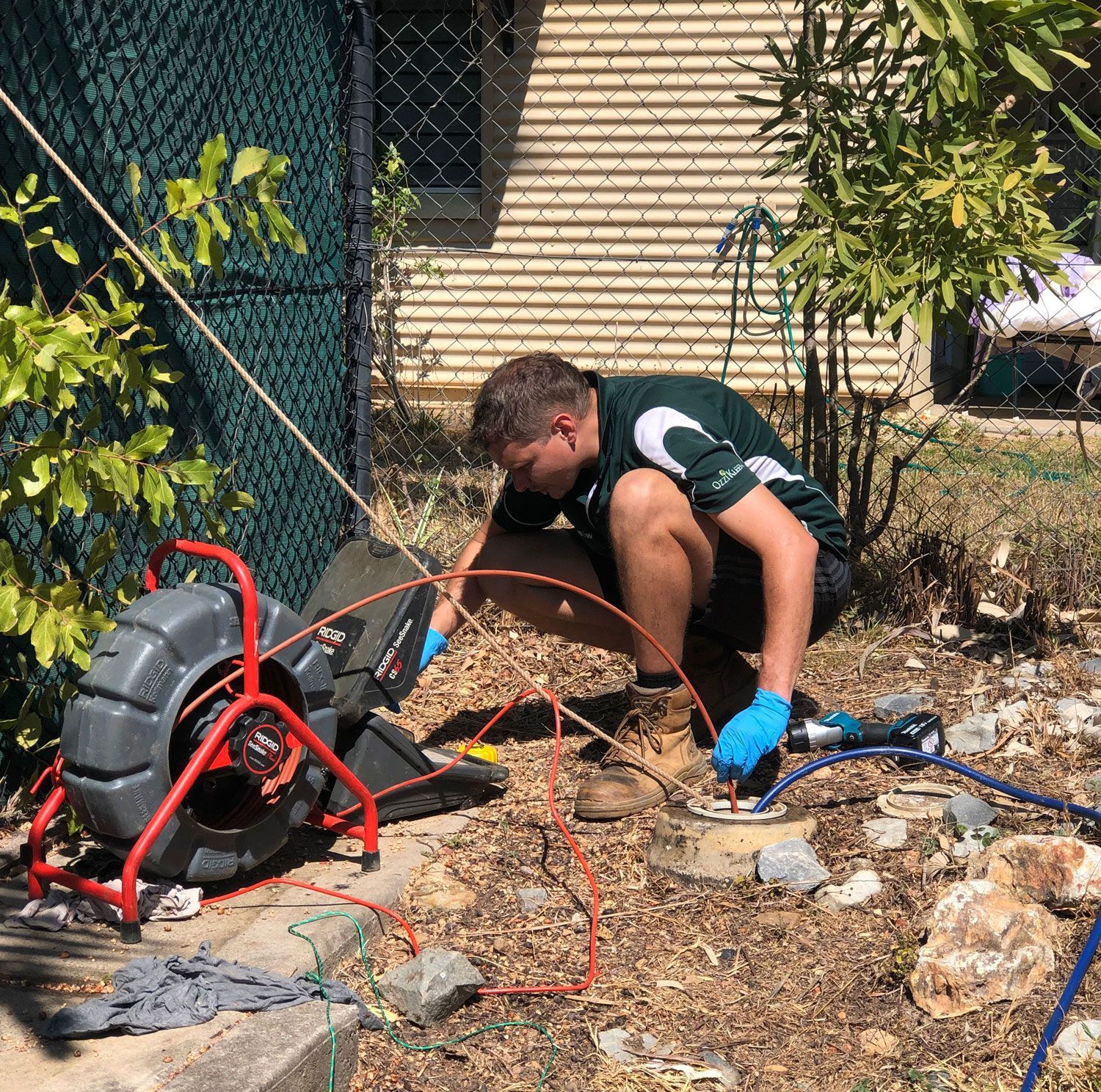
Sewage returning through toilets, showers or floor drains requires prompt professional attention. Avoid using affected fixtures and keep people and pets away from contaminated areas. Never enter a septic tank or attempt internal inspections yourself. Septic tanks can contain dangerous gases and oxygen-deficient atmospheres.
Understanding Ozzi Kleen Wastewater Treatment Systems
Not every rural property uses a conventional septic tank. Some homes rely on advanced wastewater treatment systems that use additional processes to treat household wastewater. Wigg Plumbing is the NT agent for Ozzi Kleen wastewater treatment systems. These Australian-made systems use aerobic biological treatment to process wastewater before directing treated water to an approved disposal or irrigation area.
Unlike conventional septic tanks, Ozzi Kleen systems rely on mechanical equipment and oxygen-rich treatment conditions. Their servicing requirements therefore differ from those of standard septic tanks. For example, the Ozzi Kleen RP10 residential system requires servicing every three months. Maintenance involves checking equipment operation, treatment performance and other components according to manufacturer requirements.
Although these systems are designed to manage wastewater efficiently, they aren't maintenance-free. Regular servicing helps identify mechanical faults and maintain appropriate treatment performance.
Everyday Septic Care for Rural Properties
Good septic system care in Darwin involves more than occasional pump-outs. Simple household habits can help reduce unnecessary pressure on your wastewater infrastructure.
Spreading washing loads throughout the week can prevent sudden increases in wastewater volume. Repairing leaking toilets and taps also reduces the amount of water entering the system.
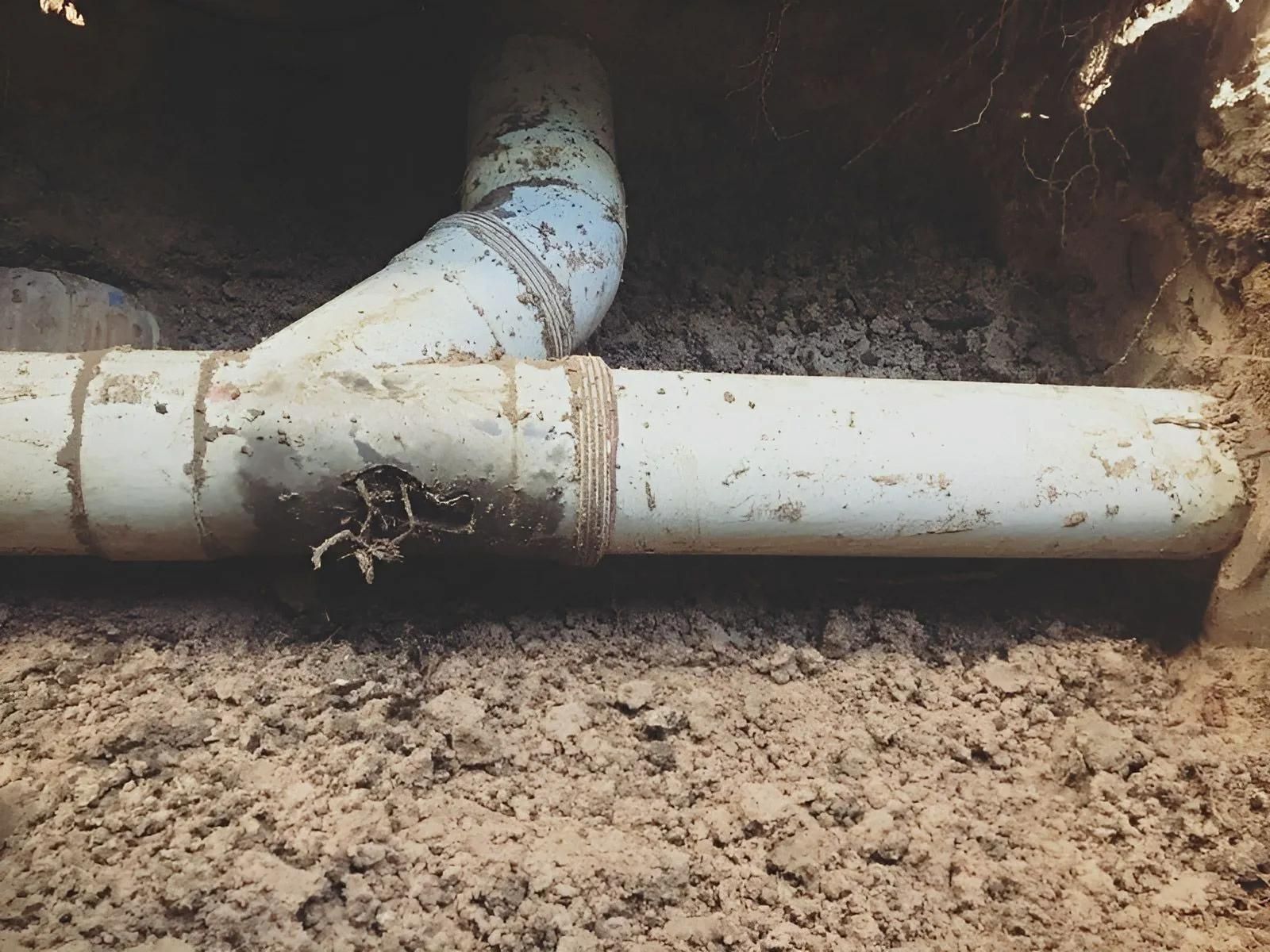
Protecting underground infrastructure is equally important. Avoid parking vehicles, storing heavy materials or planting large trees over septic tanks and disposal areas. Excessive weight and invasive roots can damage buried components.
Keep records of inspections, repairs and servicing, especially if you've recently purchased a rural property. Knowing your system's location and maintenance history makes future work easier. Regular
plumbing maintenance in Darwin can also help identify leaks and drainage issues that place additional demand on your wastewater system.
Keep Your Septic System Working Properly
Consistent maintenance helps protect your property, reduce unexpected repairs and support safe wastewater disposal. For Darwin homeowners, this means understanding servicing requirements, recognising warning signs and preparing for wet season conditions.
Conventional septic tanks need periodic desludging, while advanced treatment systems have their own servicing schedules. Following the appropriate maintenance plan is essential for long-term performance.
At Wigg Plumbing, we provide septic and wastewater solutions for homeowners throughout Darwin, Humpty Doo, Berry Springs and surrounding rural areas. As the NT agent for Ozzi Kleen, we can also assist with wastewater treatment system enquiries. Unsure when your tank was last serviced or whether your system needs attention? Get in touch with our tram at Wigg Plumbing to discuss your requirements and arrange an assessment.
Frequently Asked Questions
Can I Use Bleach With a Septic Tank?
Small amounts of household cleaning products used according to their instructions may be manageable, but excessive bleach can interfere with bacterial treatment. Follow your system manufacturer's recommendations and avoid disposing of concentrated chemicals through household drains.
Should I Add Bacteria to My Septic Tank?
A functioning conventional septic tank naturally develops bacteria that break down organic waste. Additional bacterial treatments generally aren't necessary and won't replace regular inspections or desludging. Seek professional advice before introducing additives.
Who Is Responsible for Septic Tank Maintenance in the NT?
Property owners are generally responsible for maintaining their onsite wastewater systems and ensuring they operate appropriately. Maintenance requirements depend on the system type and applicable approval conditions. Licensed professionals should perform relevant plumbing and waste removal work.
Can Tree Roots Damage a Septic System?
Yes. Tree roots can enter damaged pipes, interfere with drainage and affect underground wastewater infrastructure. Avoid planting large trees close to tanks or disposal areas without considering their root systems and the location of buried components.
Can I Build a Shed Over My Septic Tank?
Building over septic infrastructure can obstruct maintenance access and potentially damage underground components. Any proposed construction must account for required setbacks, access and applicable approvals. Have your system's location confirmed before planning permanent structures.